By Charlie Morrison
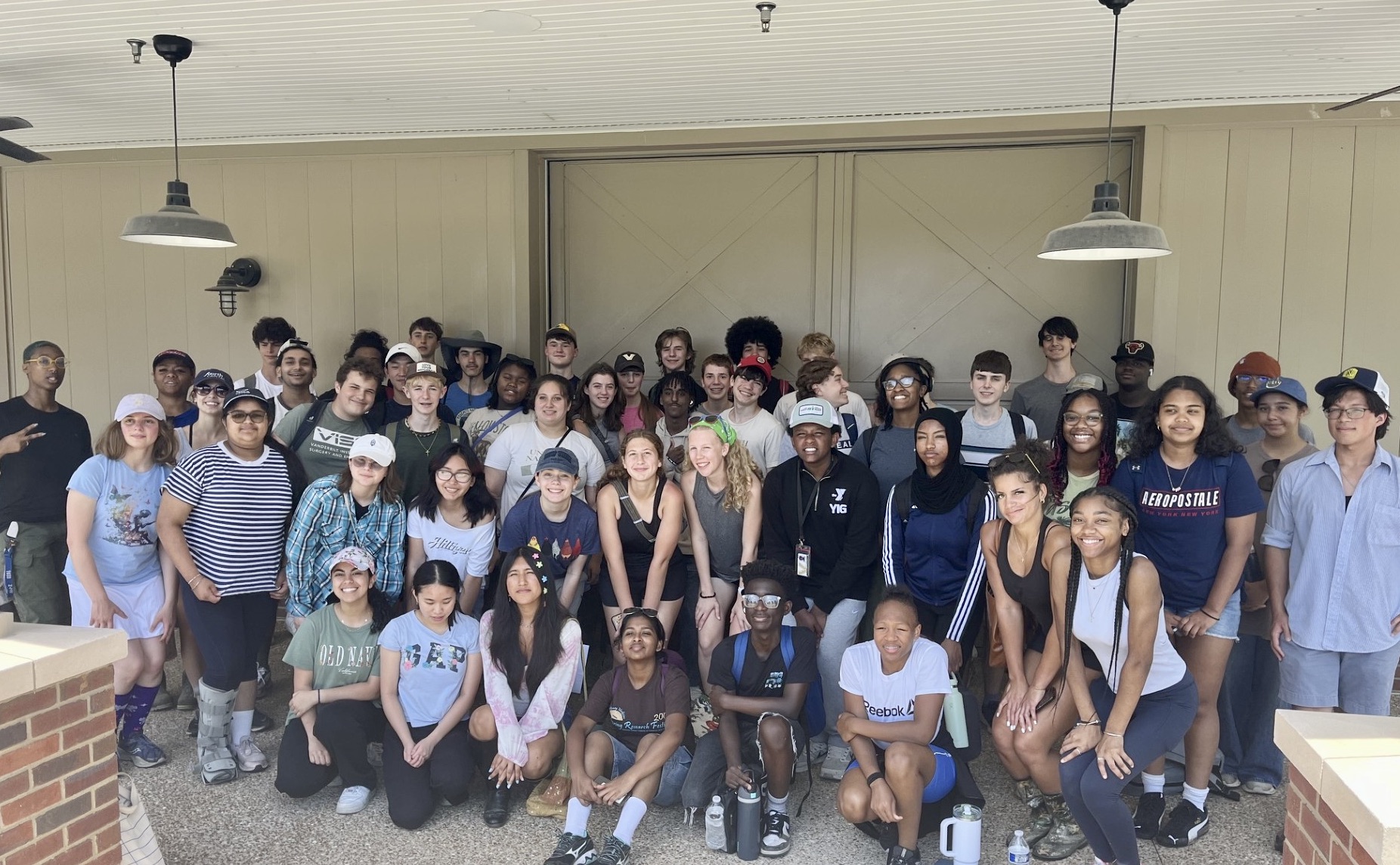
NASHVILLE, Tenn. (TSU News Service) – Nearly 50 Davidson County high school students attending the School for Science and Math at Vanderbilt during a year-long program visited Tennessee State University’s Agricultural Research and Education Center on June 11 for a hands-on introduction to agricultural research, environmental science and STEM career opportunities.
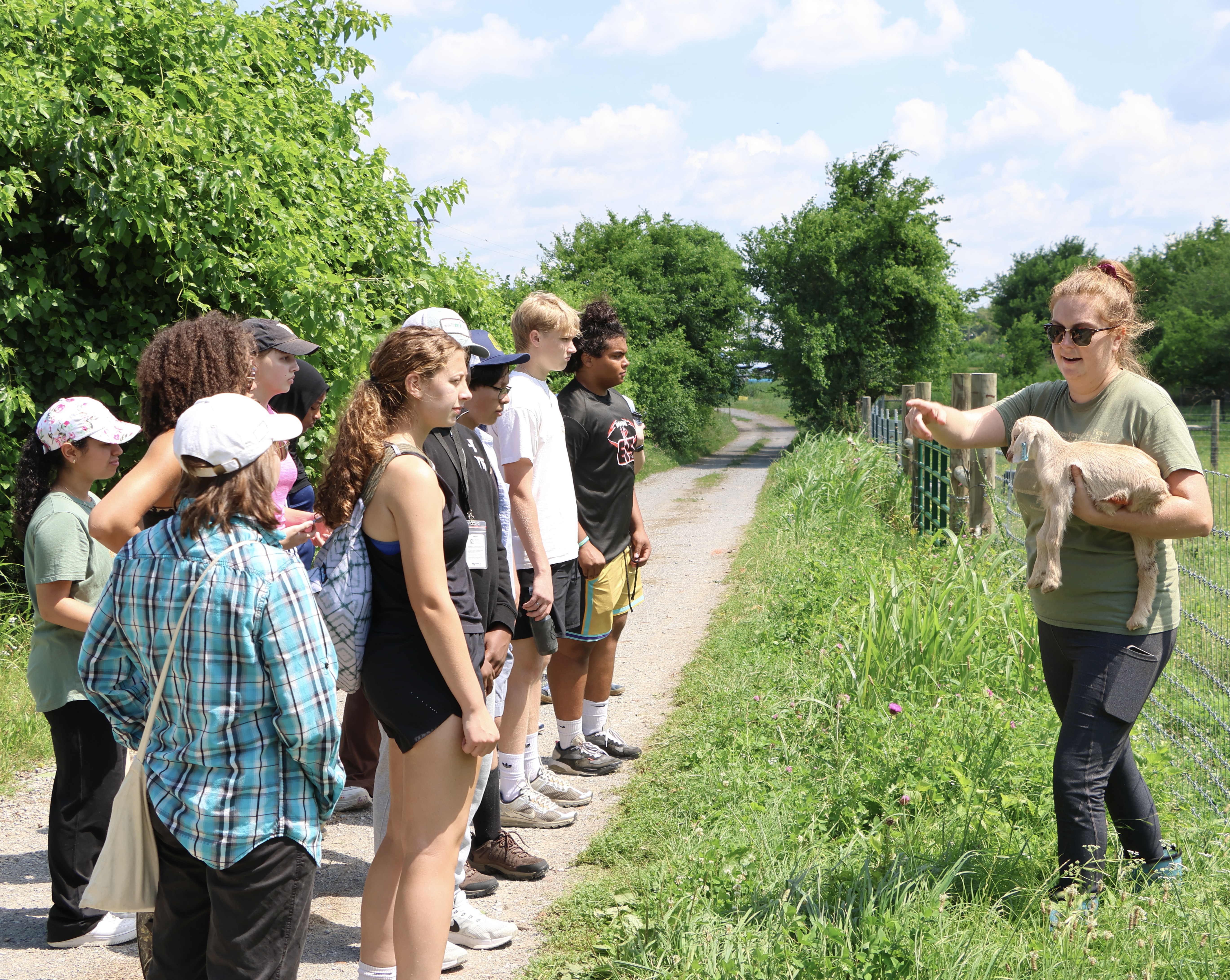
Despite a heat index surpassing 90 degrees and transportation delays, students and instructors dedicated the morning to exploring ongoing research at the TSU farm. The students were organized into groups, rotating through stations that highlighted plant biotechnology, industrial hemp and sustainability, goat research, wetland ecology, and turtle and water-quality monitoring.
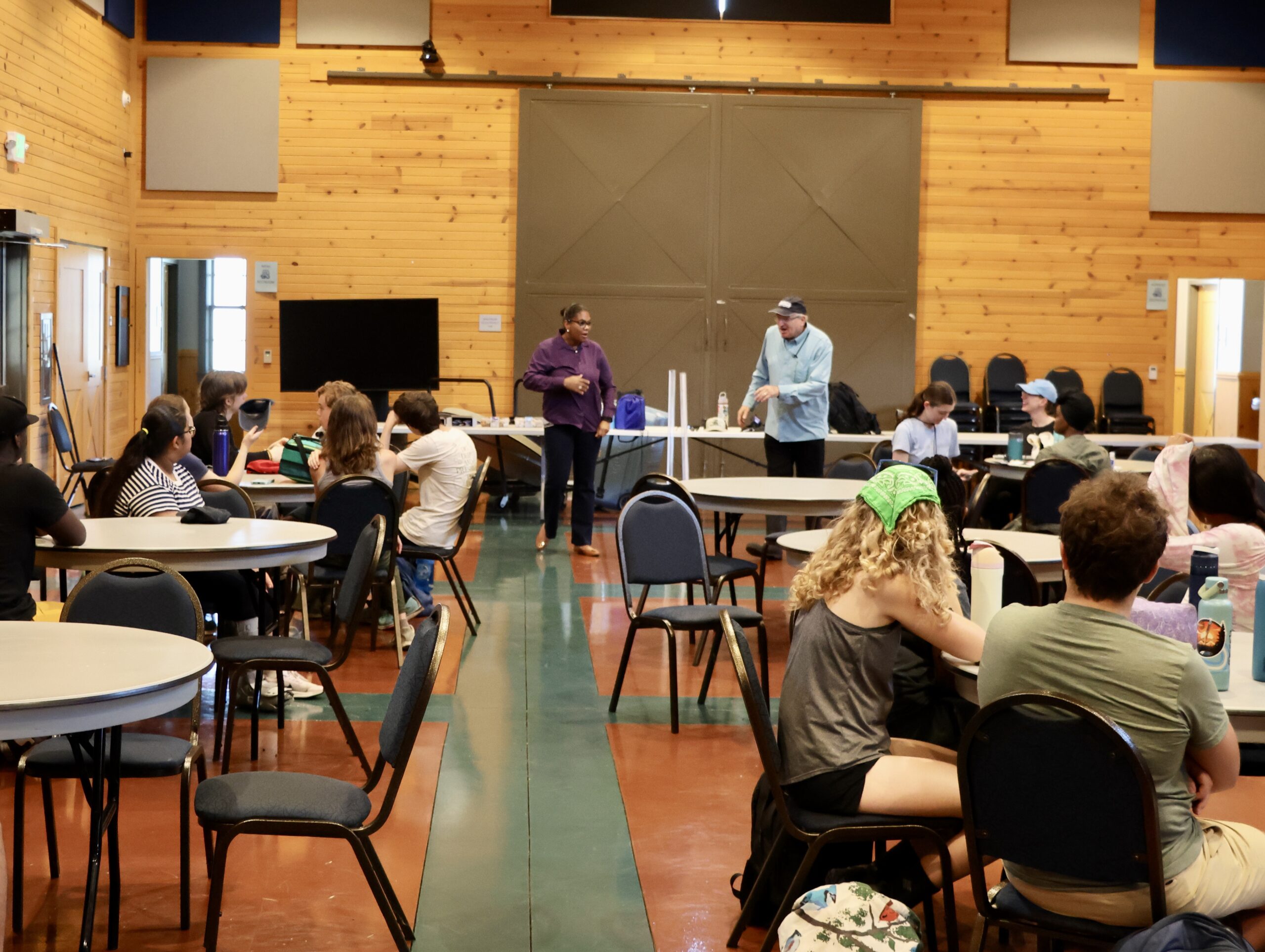
Dr. De’Etra Young, associate dean for academics and Land-Grant programs in the TSU College of Agriculture, welcomed the students at the AREC Pavilion before they headed out into the field. Faculty, staff, and graduate students engaged the visitors by discussing the critical questions their research addresses and how agricultural science can tackle challenges related to food production, environmental quality, natural resources, and sustainability.
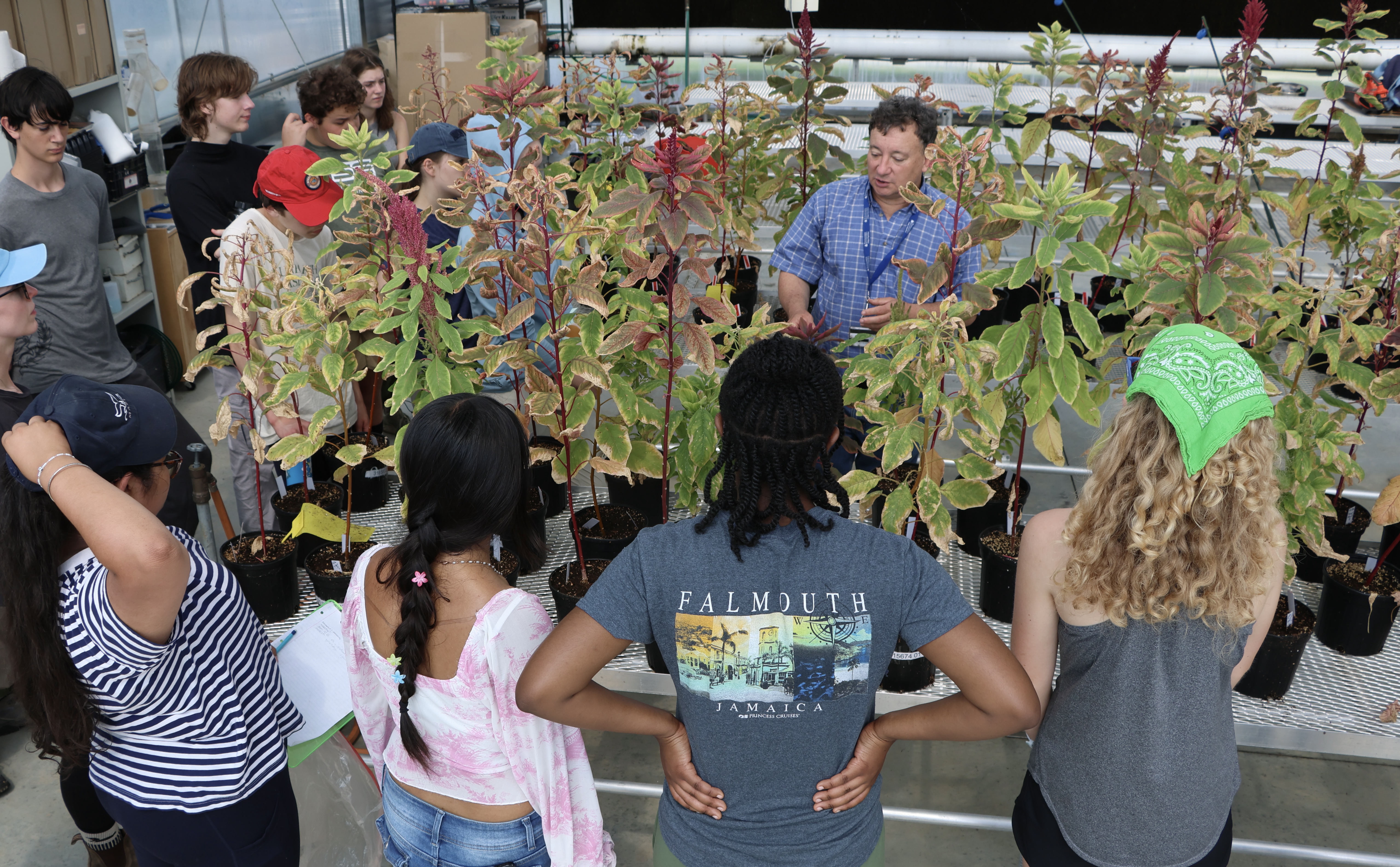
At the plant biotechnology station, Dr. Matthew Blair and his research team introduced the students to greenhouse and crop research. The presentation provided a unique opportunity for students to closely observe plants and ongoing research while learning how biotechnology and genetics can enhance crop improvement and agricultural production.
Dr. Emmanuel Omondi led a station dedicated to industrial hemp, focusing on sustainable materials and environmental applications. Students learned about the crop’s potential uses, including fiber production, sustainable construction, and soil remediation.
Emily Hayes introduced the students to goat and livestock research. The station provided an engaging experience, highlighting how animal science research supports livestock health, management, and agricultural production.
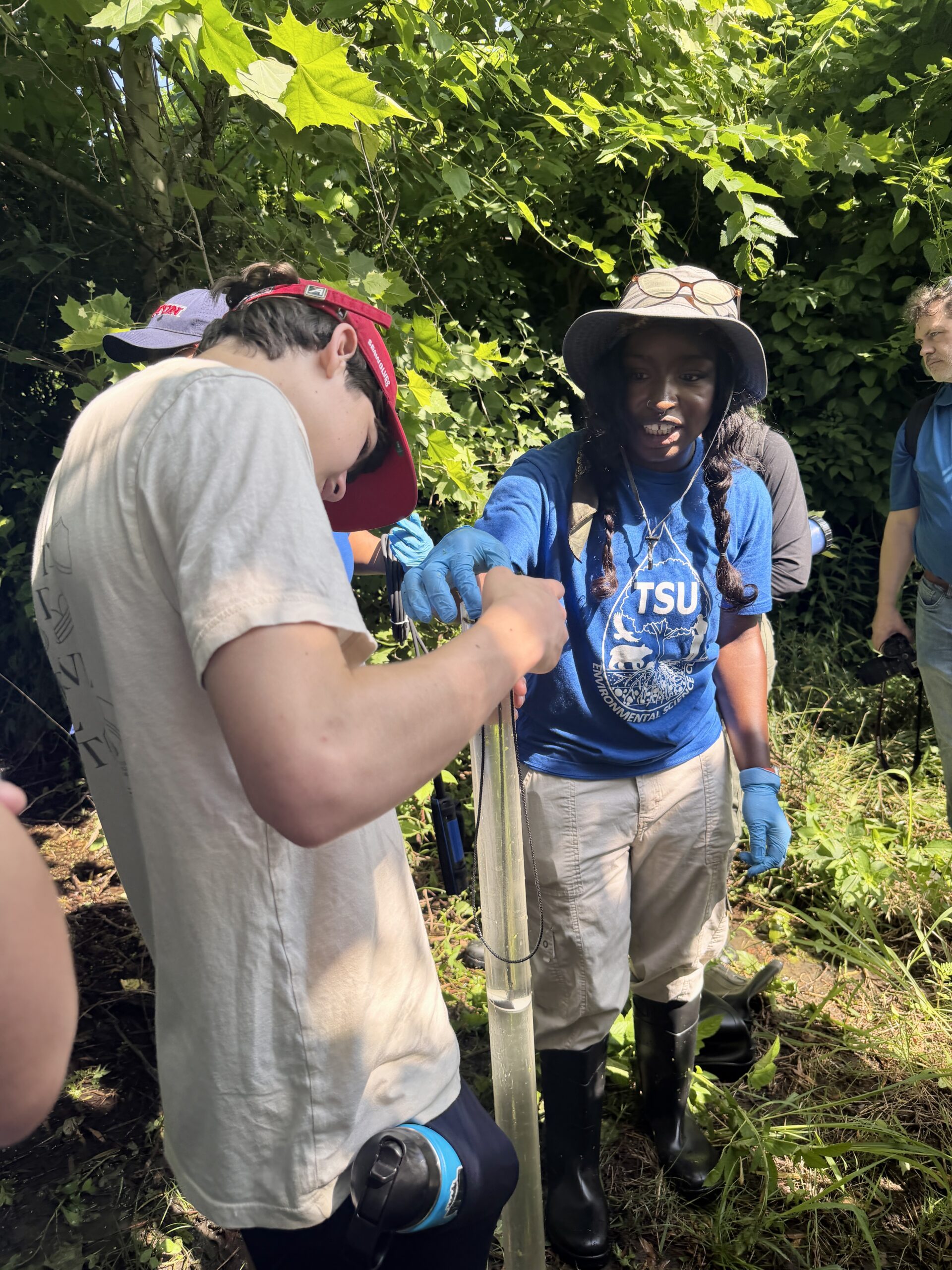
The final station integrated wetland ecology, turtle research, and water-quality monitoring. Anna Humphrey, Carlin Frost, Autumn Joyner, Nekesha Dix, Dr. Tom Byl, and other members of the TSU research team demonstrated the tools and techniques used to assess water conditions and study wetland environments. Students learned about the connection between water quality, wildlife, and environmental health.
Dr. Byl, who organized the visit, thanked the faculty, staff and students who helped host the visit. “This kind of outreach does make a difference and helps showcase the kind of research we do at TSU,” Byl said.
Dr. Menton Deweese, director of the School for Science and Math at Vanderbilt, said the students and instructors had “an incredible day at the farm” and thanked the TSU team for its flexibility and hospitality.
The School for Science and Math at Vanderbilt is an academic program that provides high school students with advanced opportunities in science, technology, engineering and mathematics. The visit allowed students to connect their classroom interests with active research and to meet scientists working in agricultural and environmental fields.
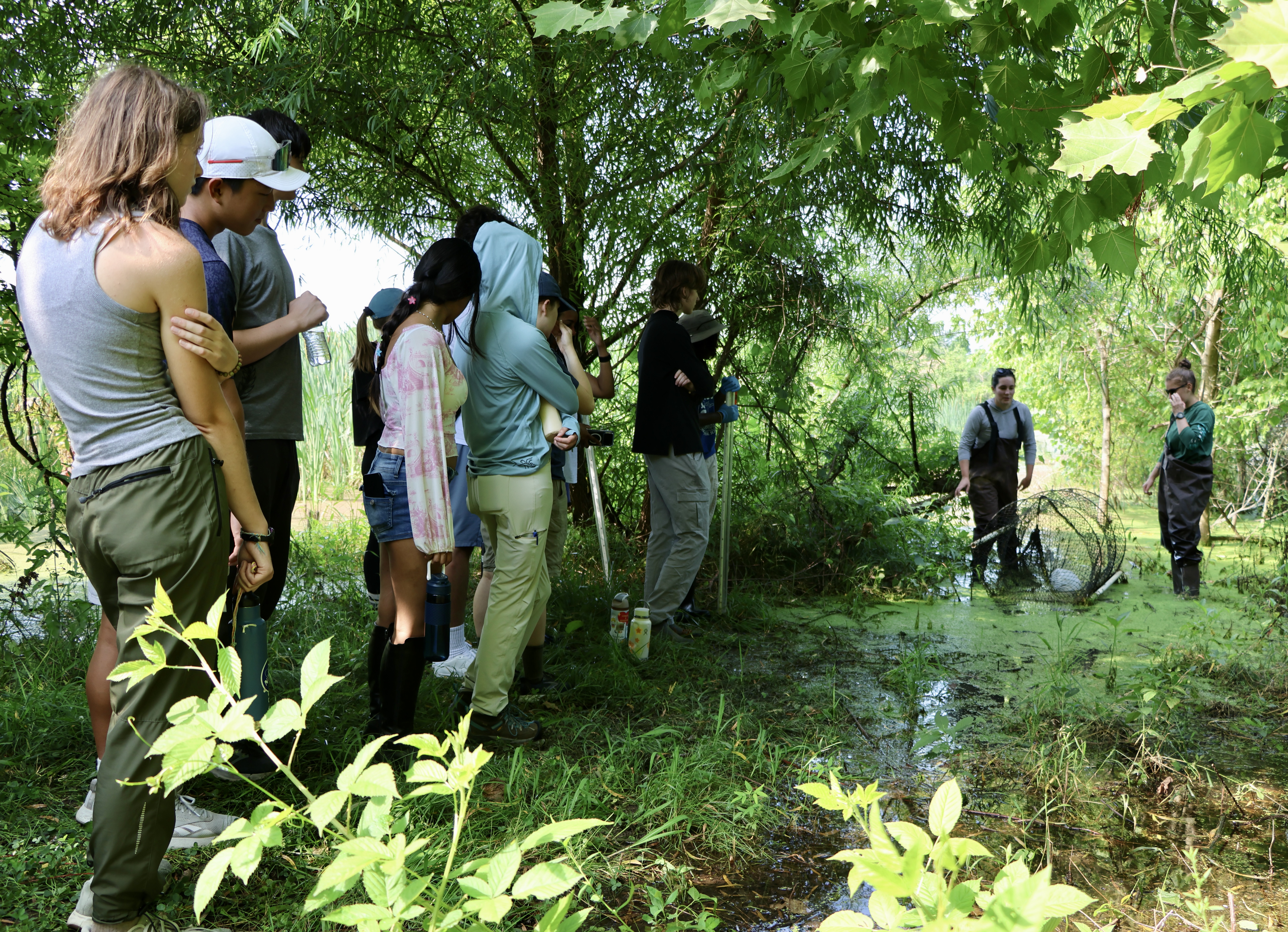
For TSU, the visit was also an opportunity to show students that agriculture encompasses far more than traditional farming. The research presented during the tour included biotechnology, animal science, environmental monitoring, sustainability and natural-resource management, all areas offering a growing range of educational and career possibilities.
Featured Photo: About 50 high school students participating in a science and math program at Vanderbilt University, spent a full day at TSU recently getting a hands-on introduction to agricultural research, environmental science and STEM career opportunities. (Photo by Charlier Morrison)
About Tennessee State University
Founded in 1912, Tennessee State University is Nashville’s only public land-grant university offering 41 bachelor’s degrees, 15 graduate certificates, 27 master’s degrees, and nine doctoral degrees. TSU’s campus spans 500 acres. The university is committed to academic excellence, providing students with a quality education in a nurturing and innovative environment that prepares them as alumni to be global leaders. Visit tnstate.edu for more details.