NASHVILLE, Tenn. (TSU News Service) – Marisa Haynes, a junior at Tennessee State University, believes the fight for civil rights isn’t just a chapter in a history textbook, it is happening right now in the air we breathe, the water we drink, and the soil that grows our food. Haynes, an agricultural science major with a concentration in agribusiness, recently completed a month-long, intensive residency in Houston, Texas. She was one of 20 elite undergraduate students selected nationwide to participate in the fourth annual Historically Black Colleges and Universities (HBCU) Environmental Justice Climate Corps summer program.

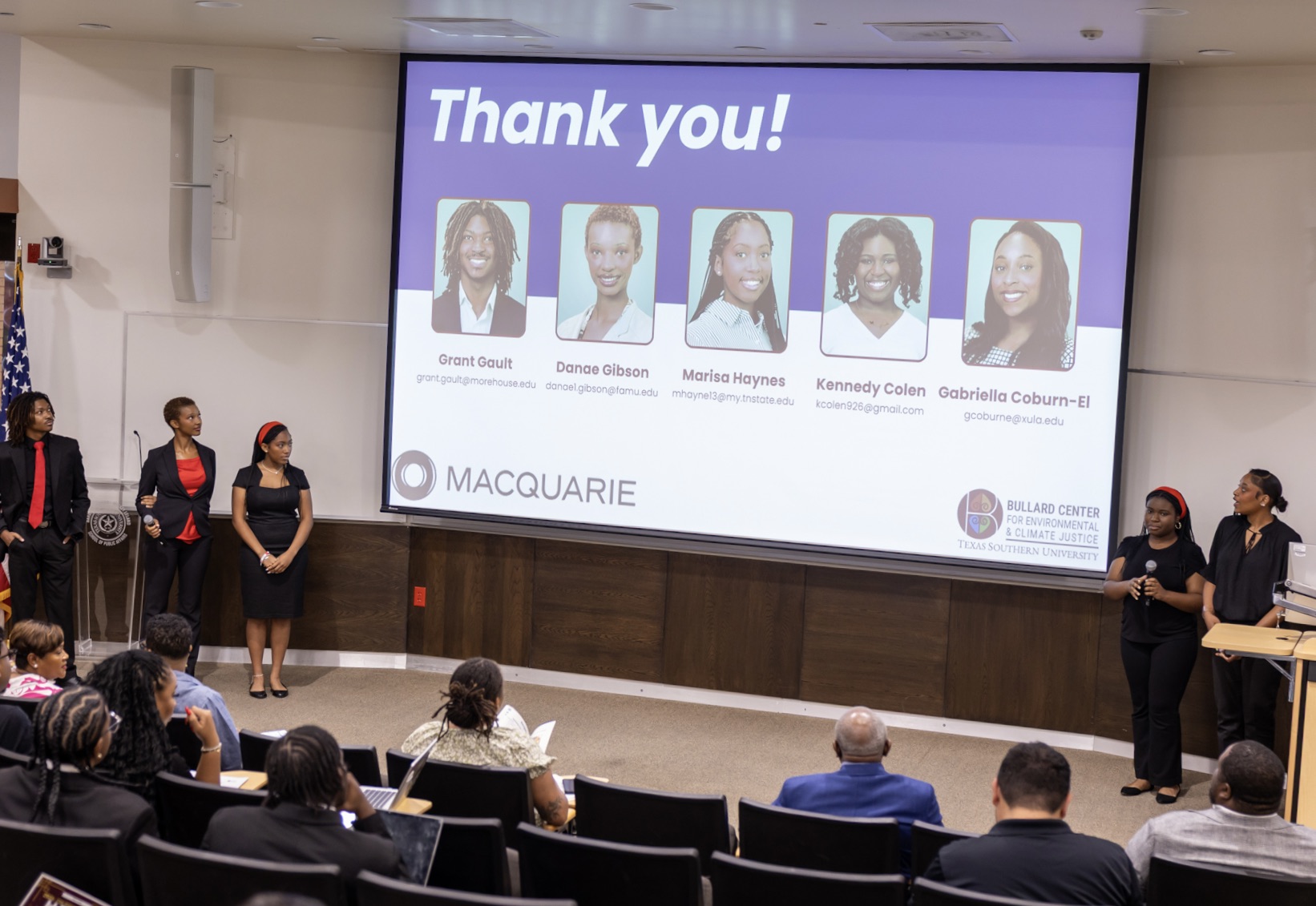
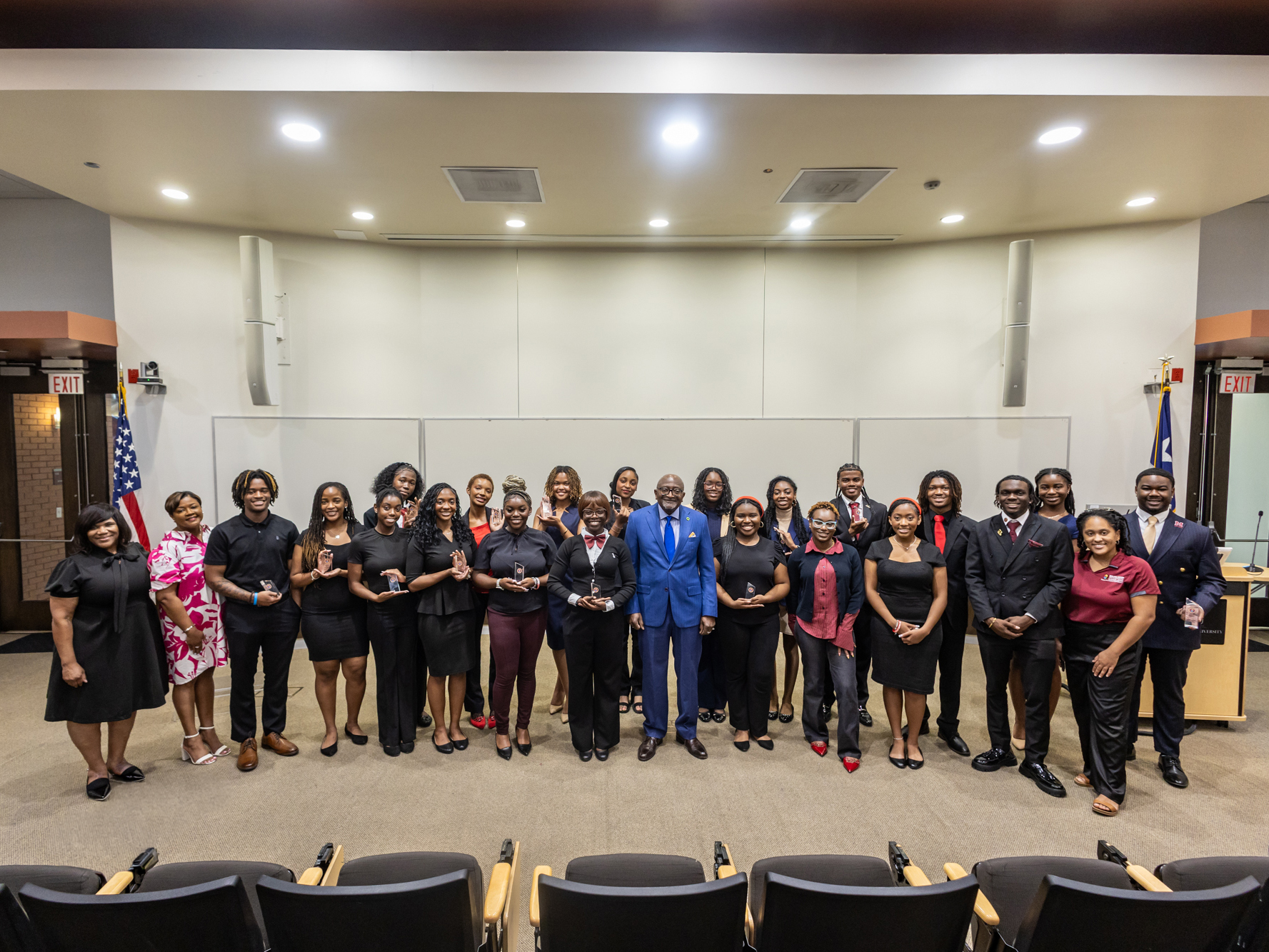
Sponsored by the Bullard Center for Environmental and Climate Justice at Texas Southern University and funded through a grant by the Macquarie Group Foundation, the five-week immersive program brought together student leaders from 15 HBCUs. Representing fields ranging from applied physics to social work, the cohort focused heavily on climate justice, public health, and community resilience.
A native of La Vergne, Tennessee, Haynes brought a unique perspective to the cohort. Long before arriving at TSU, her academic drive was evident. During her junior and senior years of high school, she balanced dual enrollment at Motlow State Community College, graduating with a 3.9 high school GPA alongside an Associate of Science degree. It was her foundational training in agriculture, however, that sparked her passion for systemic change.
“My background in agriculture has shaped my interest in environmental justice by helping me understand how environmental conditions directly impact access to healthy, nutritious food and the overall quality of life in communities,” Haynes said.
She said the residency program offered a reality check by pairing classroom theory with boots-on-the-ground community engagement. “I knew what environmental justice was, but I didn’t realize how deeply it affects communities,” Haynes said. “I learned that it touches nearly every aspect of people’s lives, from food deserts and health care access to the lack of resources in underserved communities. It gave me a much broader perspective on the challenges many communities face.”

The program introduces students to advanced data-driven analysis, research methodologies, and Geographic Information Systems (GIS) mapping to track environmental hazards in vulnerable communities.
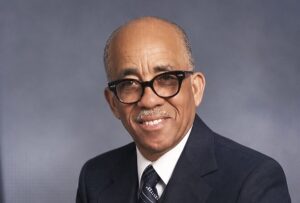
Dr. Robert D. Bullard, executive director of the Bullard Center widely recognized as the “father of environmental justice,” emphasized the crucial nature of this cross-disciplinary approach. “This is a wonderful opportunity to immerse our students in environmental and climate justice research, policy and civic engagement work, with emphasis on finding solution to the converging threats to our most climate-vulnerable communities, like where many of our students live,” Bullard said.
Putting their new skills into practice, Haynes and her research group focused on Houston’s historic Fifth Ward, where they developed a comprehensive health communication toolkit designed to bridge the gap between residents and vital ecological health resources. “This toolkit is designed to help residents access available resources, better understand environmental health issues, and learn how to effectively advocate for themselves and their community,” Haynes noted.
With the summer program concluded, Haynes’ long-term goal is to turn her focus back toward middle Tennessee. She plans to apply what she has learned by taking the time to better understand her own community, explaining that spending an entire month studying one neighborhood inspired her to do similar work closer to home.
As TSU continues to cement its reputation for preparing students for impact-driven careers, Haynes stands out as a shining example of student leadership. “I am incredibly grateful for the experience,” Haynes said. “It was my first internship and my first year at a four-year university. I truly don’t think there is a better internship or a better place to learn. I honestly don’t think anything will compare to this experience.”
Featured Photo: Marisa Haynes (standing, third from left) appears on a screen with fellow presenters during a session at the recently concluded month-long HBCU Environmental Justice Climate Corps summer program in Houston. (Submitted photo)
About Tennessee State University
Founded in 1912, Tennessee State University is Nashville’s only public land-grant university offering 41 bachelor’s degrees, 15 graduate certificates, 27 master’s degrees, and nine doctoral degrees. TSU’s campus spans 500 acres. The university is committed to academic excellence, providing students with a quality education in a nurturing and innovative environment that prepares them as alumni to be global leaders. Visit tnstate.edu for more details.