By Zekeya A. Harrison
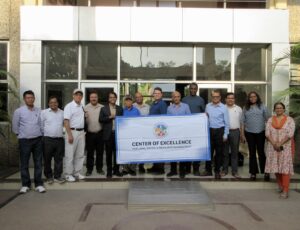
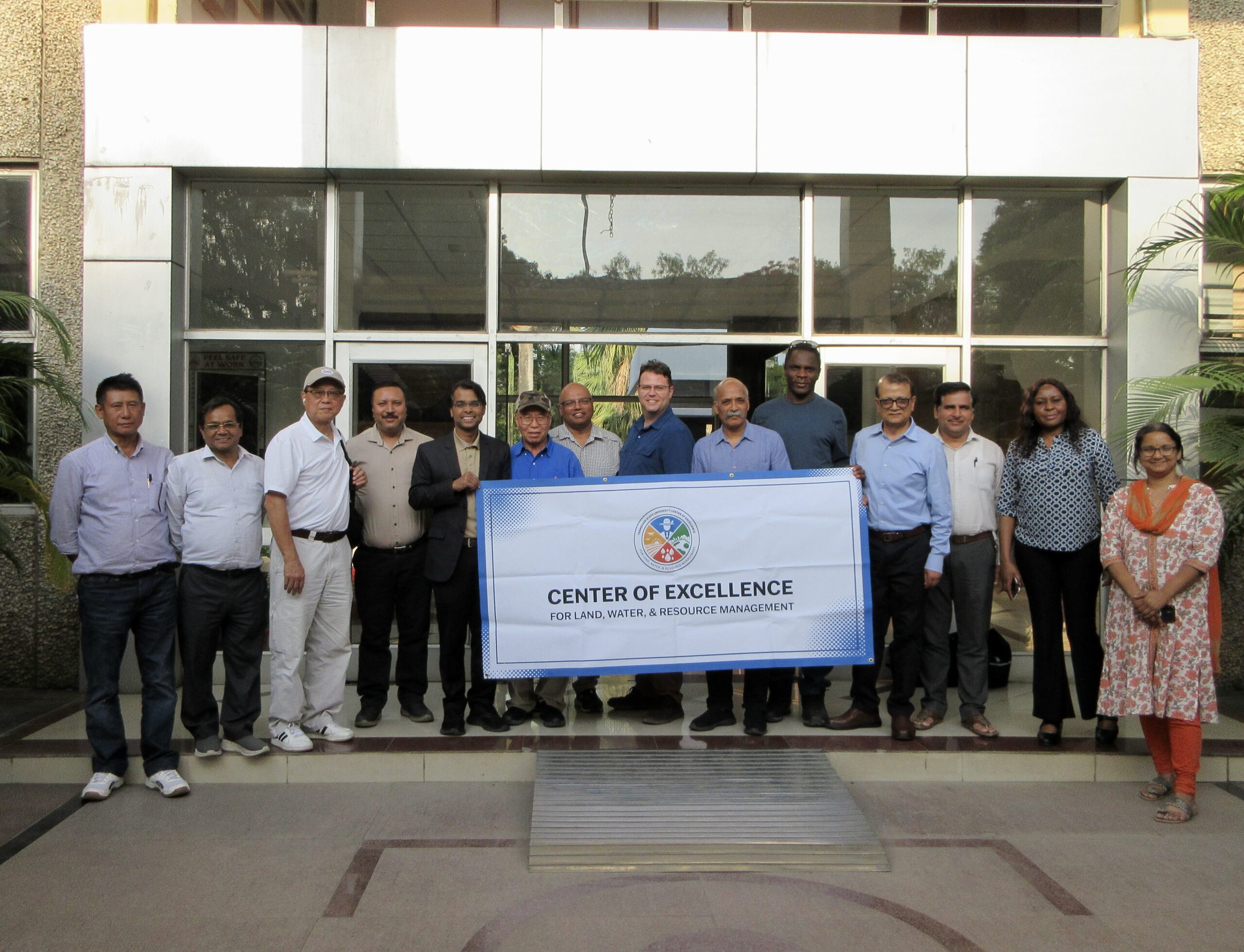
NASHVILLE, Tenn. (TSU News Service) – Tennessee State University has secured $1.92 million from the U.S. Department of Agriculture’s National Institute of Food and Agriculture (USDA-NIFA) to support the 1890 Center of Excellence for Land, Water, and Resource Management (COE-LWRM).
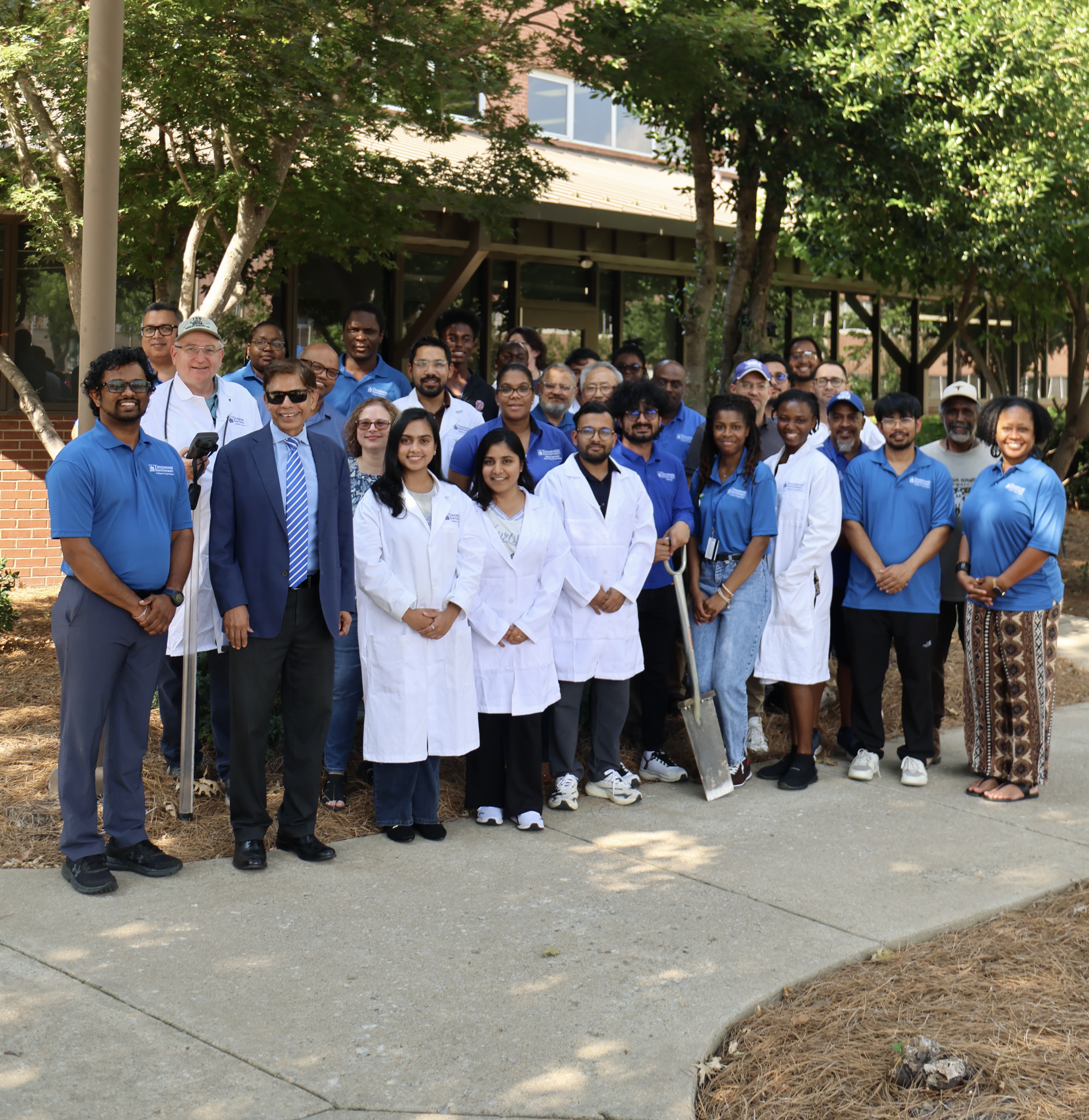
This grant represents the sixth round of funding for the Center since its inception in 2021, reinforcing federal backing for TSU-led research into critical land, water, agricultural, and natural resource challenges.
As the lead institution, TSU directs a consortium of 15 historically Black 1890 land-grant universities working collaboratively to advance research, technology, education, and workforce development. Partner institutions include Alabama A&M, Alcorn State, Central State, Florida A&M, Fort Valley State, Kentucky State, Langston, Lincoln, North Carolina A&T, Prairie View A&M, South Carolina State, Southern University and A&M College, University of Arkansas at Pine Bluff, and University of Maryland Eastern Shore.
The Center is directed by Dr. Chandra Reddy, dean of the College of Agriculture, with Dr. De’Etra Young and Dr. William Sutton serving as co-project directors.
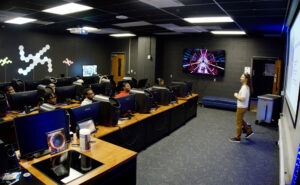
COE-LWRM leverages artificial intelligence, precision agriculture, remote sensing, GIS, and predictive modeling across four key priority areas. In forest health, the Center focuses on improving forest assessment, fire prevention, restoration, and management. To support soil health and water quality, researchers study soil function, nutrient cycling, precision water management, and contaminant movement. For farm productivity and smart agriculture, teams apply robotics, automated sensors, drones, and AI to boost yield and resilience. Workforce development, the final priority area, cultivate career pathways in agriculture and natural resources through experiential learning, technical training, mentorship, and professional growth.
“Securing this funding underscores the strength of TSU’s leadership and the collaborative efforts of our 15-university network,” Reddy said. “By harnessing advanced tools such as artificial intelligence, remote sensing, and precision agriculture, our research team and partners are working to develop real-world solutions for producers and land managers while equipping a diverse, highly skilled workforce for the future of agriculture and natural resource management.”
Managing a multi-institutional network requires coordination across disciplines and program areas. Dr. Janith Chandrasoma, COE-LWRM project manager, said the structure allows universities to combine expertise and resources effectively.
“The strength of the Center is the network we have built across the 1890 land-grant system,” Chandrasoma said. “Our role is to connect people, expertise, and resources so our research teams can collaborate, share knowledge, and translate their work into meaningful outcomes. Continued support from USDA-NIFA allows us to deepen those partnerships and expand the Center’s impact.”
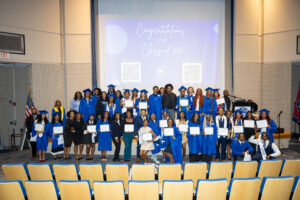
Workforce development remains central to COE-LWRM’s mission, by engaging students early and support their growth through graduate education and into the workforce. This continuum starts with the Research and Applied Natural Resources Growth Experience (RANGE), which introduces high school students to agricultural disciplines through hands-on learning. At the undergraduate and graduate levels, students gain direct experience with faculty researchers, applied research, and emerging technologies.
“Workforce development cannot begin when a student is preparing to graduate,” said Dr. Young, who is TSU’s associate dean for academics and land-grant programs in the College of Agriculture. “We must create intentional pathways that introduce young people to agriculture and natural resources early, give them meaningful opportunities to conduct research and use emerging technologies, and continue developing those skills throughout their undergraduate and graduate education.”
Young added that the multi-institutional setup vastly broadens opportunities for participants. “Our students are part of a network of 15 1890 land-grant universities. That allows us to expose them to different researchers, disciplines, technologies, institutions, and career pathways,” she said. “We want students to leave these experiences not only knowing more about agriculture and natural resources, but seeing sees themselves as researchers, scientists, professionals, and leaders in these fields.”
With continued USDA-NIFA backing, TSU and its consortium partners will build on this groundwork to address the evolving needs of modern agriculture and resource management.
About Tennessee State University
Founded in 1912, Tennessee State University is Nashville’s only public land-grant university offering 41 bachelor’s degrees, 15 graduate certificates, 27 master’s degrees, and nine doctoral degrees. TSU’s campus spans 500 acres. The university is committed to academic excellence, providing students with a quality education in a nurturing and innovative environment that prepares them as alumni to be global leaders. Visit tnstate.edu for more details.