NASHVILLE, Tenn. (TSU News Service) – U.S. Assistant Secretary of Energy for Hydrocarbons and Geothermal Energy Curt Coccodrilli visited Tennessee State University Oct.14 to assess the institution’s newly established mining engineering program in the College of Engineering.
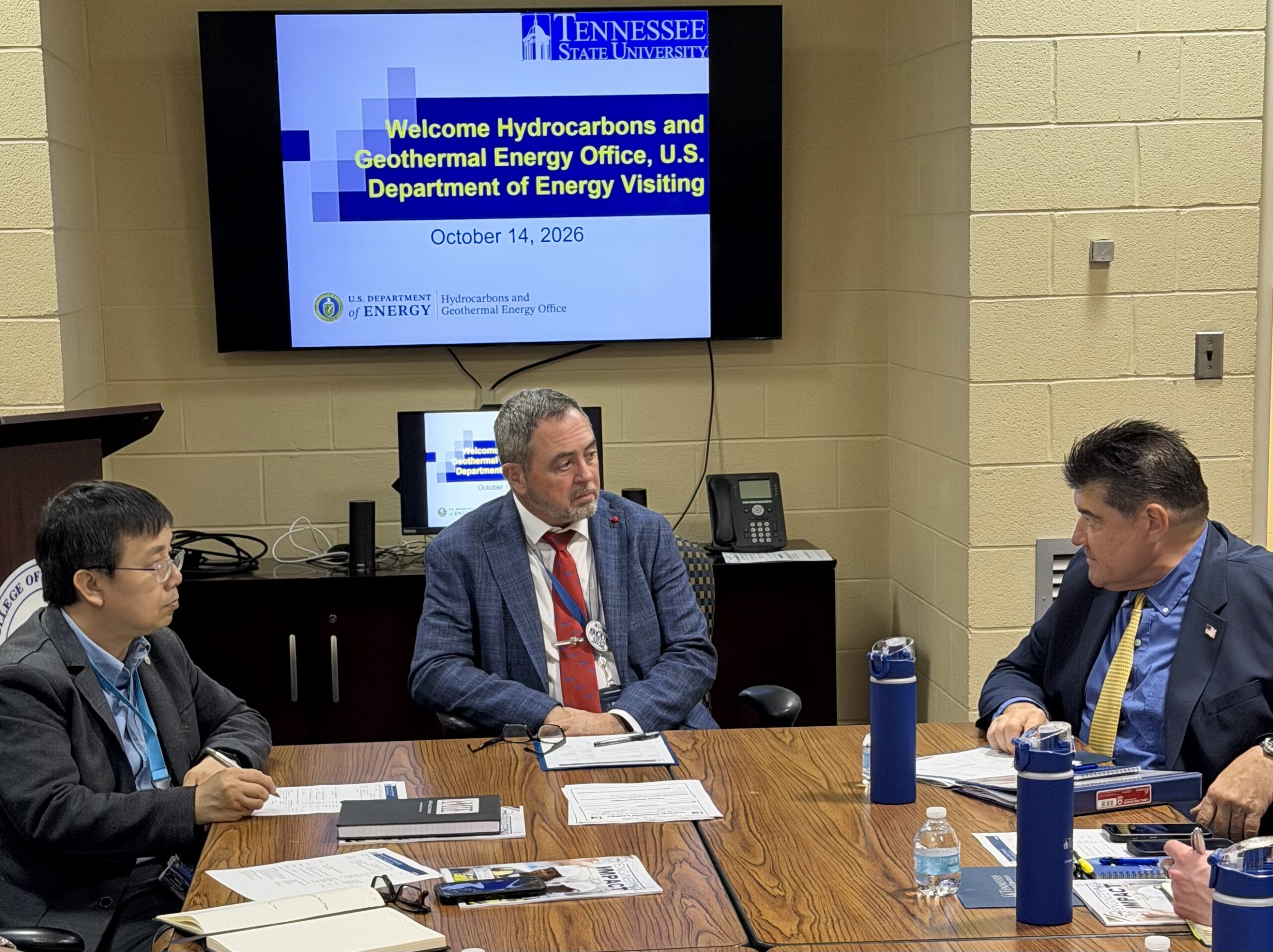
Coccodrilli, accompanied by Special Advisor Samuel Fiely, evaluated the program established with an $800,000 grant from the U.S. Department of Energy. The minor in mining engineering, which launched coursework in fall 2025 following an initial funding kickoff about a year and a half ago, is the only mining engineering program at any institution in the southern region and the sole program offered at a Historically Black College or University in the United States.
Representing TSU President Dwayne Tucker, Dr. Erik Schmeller, interim provost and vice president for Academic Affairs, welcomed the delegation and expressed appreciation for the federal investment.
“We are deeply grateful to the Department of Energy for their strategic investment in Tennessee State University,” Schmeller said. “This collaboration not only expands academic opportunities for our students but also positions TSU at the forefront of vital workforce development in engineering.”
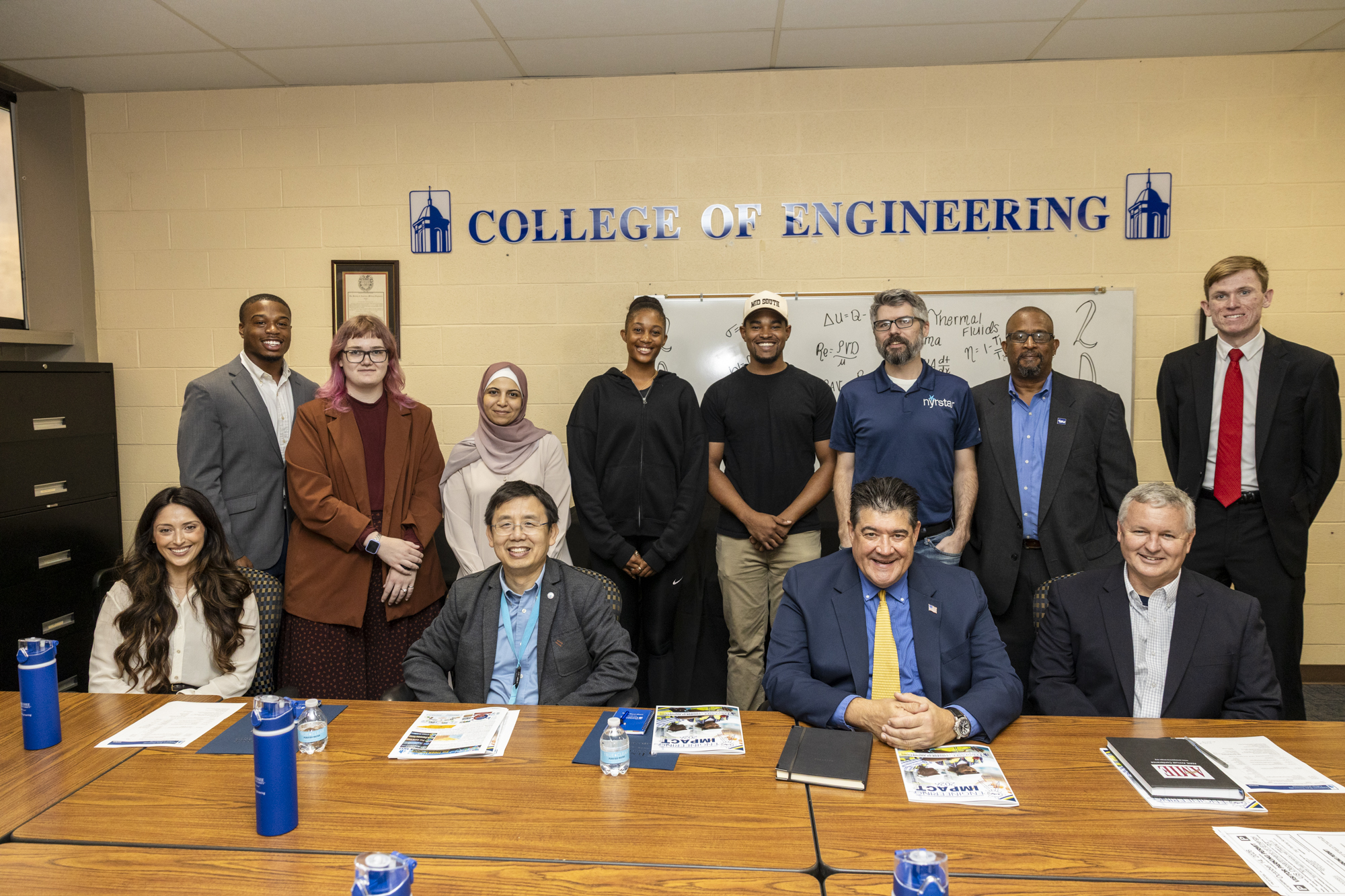
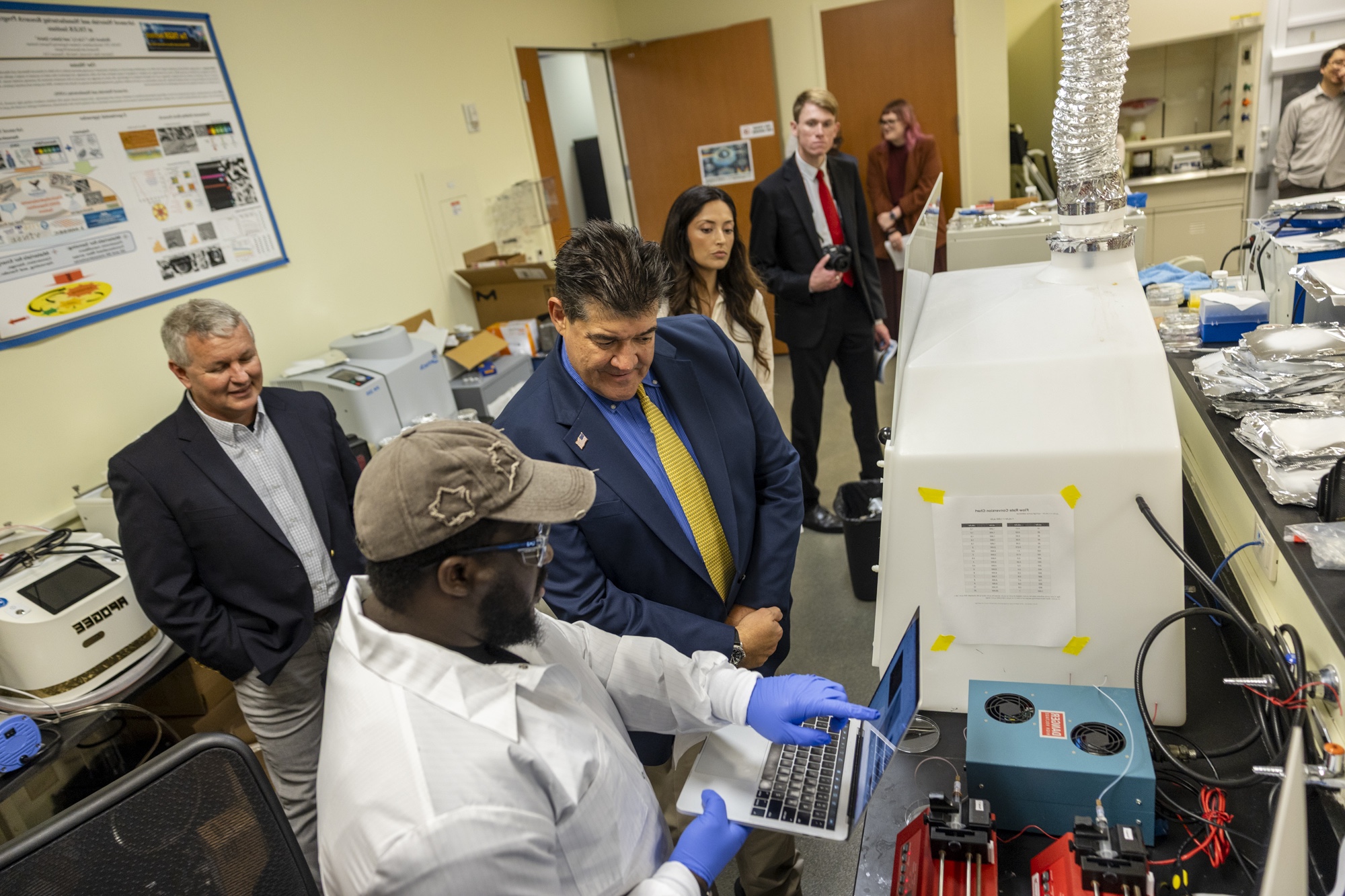
The visit featured a roundtable discussion with university leadership, College of Engineering faculty, industry partners, and students, followed by a tour of engineering laboratories. Conversations focused on ongoing federal support, faculty development, scholarships, and internship pipelines designed to connect students with public and private sector jobs.
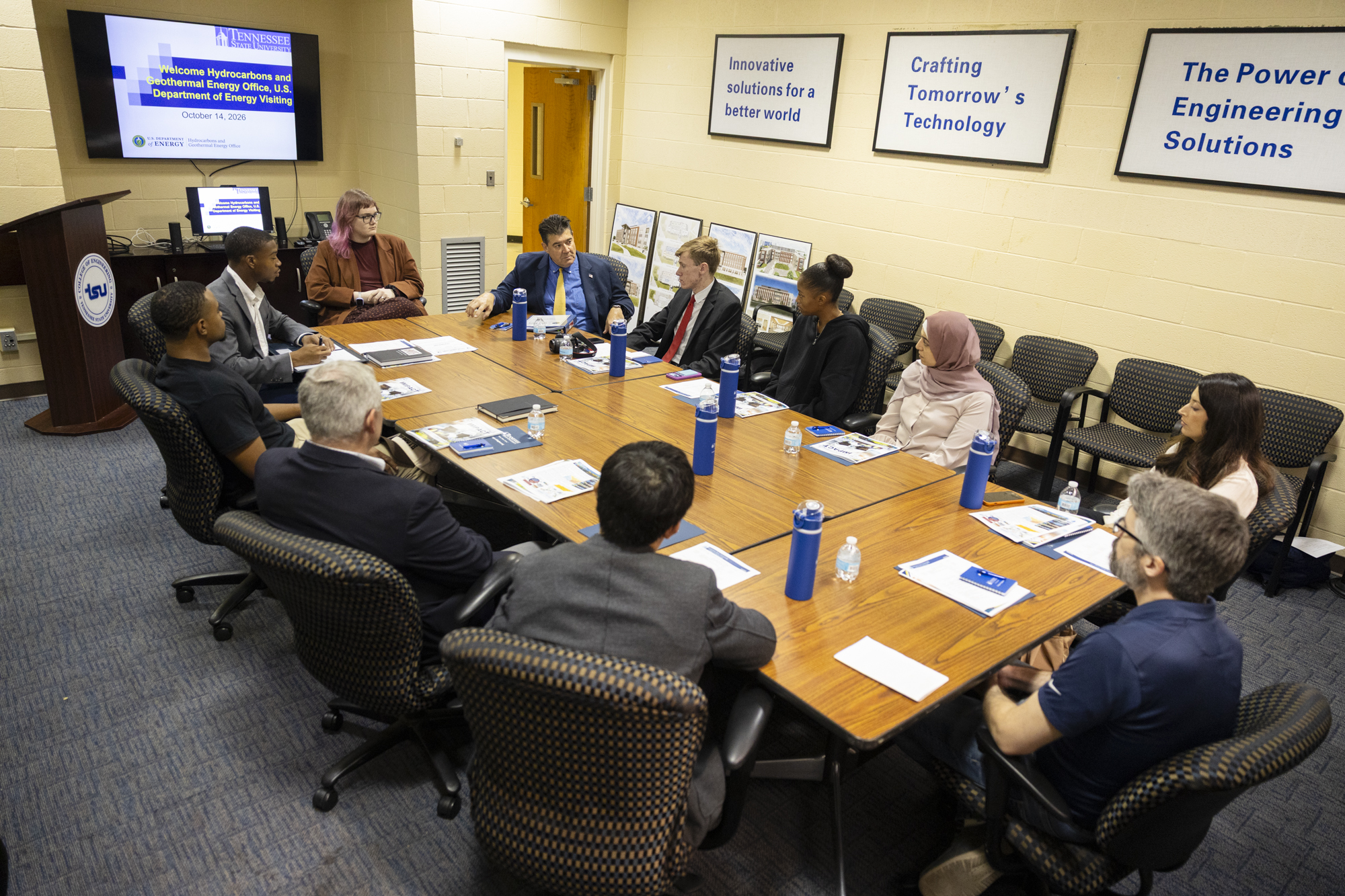
Officials also explored the potential of elevating the minor into a full major degree program to meet growing national demands for critical minerals and domestic supply chain security.
The visit significantly elevates the national visibility of TSU’s program, strengthening public-private partnerships and positioning the university as a key hub for future federal research and workforce development grants. Industry partners participating in the discussions included Luck Stone, Rogers Group, and Crucible Tennessee Mines.
“We’re here to learn more about the mining minor, how the funding is being used and what plans are in place for the future,” Coccodrilli said. “TSU is off to a remarkable start. With 15 or 16 students already in the program, a growing internship pipeline and strong industry partnerships, I see tremendous potential for these laboratories to grow into a major degree program.”
Coccodrilli noted that federal programs help bridge the gap between research and commercialization as the nation works to strengthen domestic supply chains through mining, processing, and recycling. “There’s no better place to start than right here in Nashville,” he added.
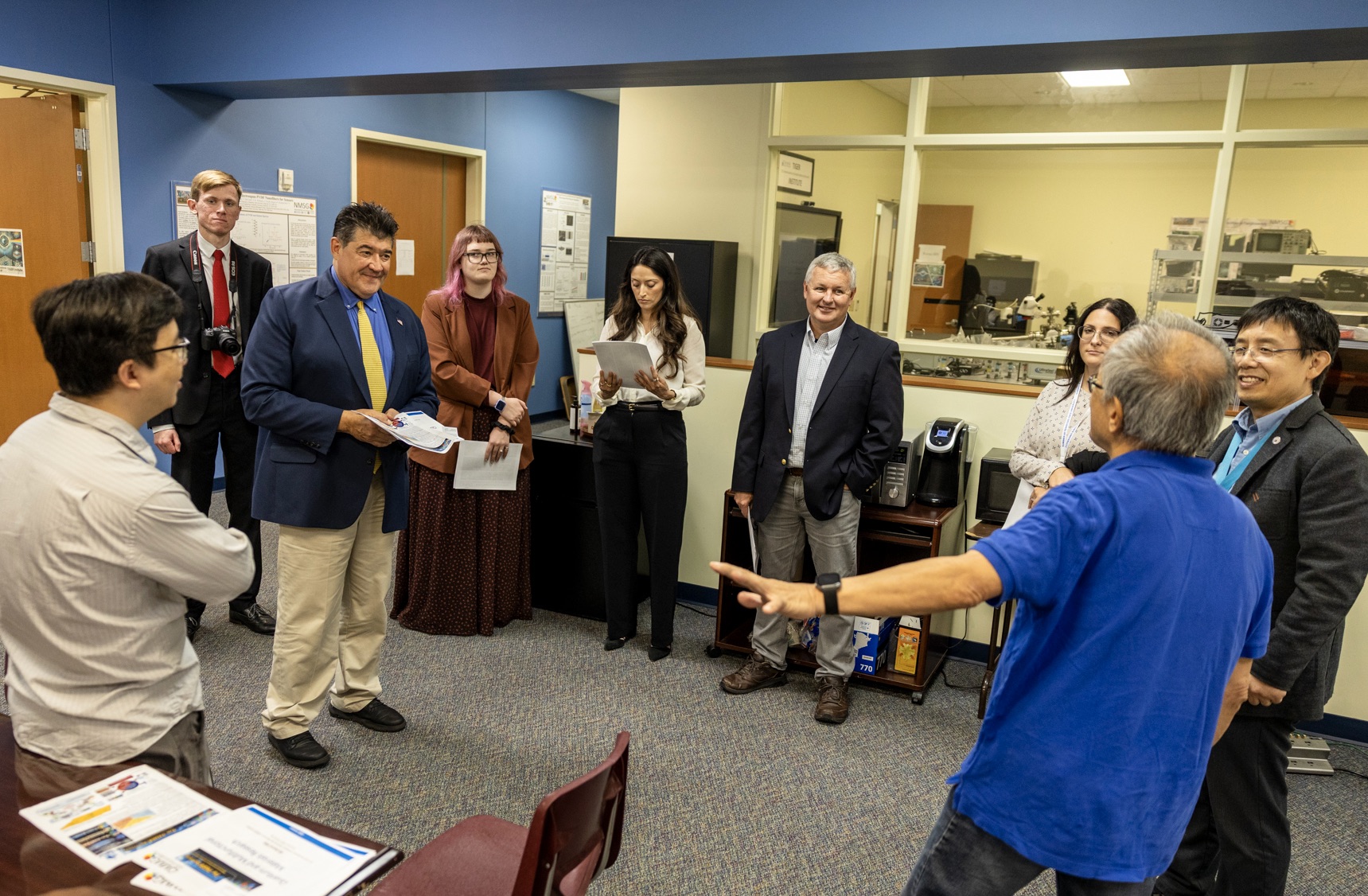
Dr. Lin Li, dean of the College of Engineering, detailed the origin of the program following a DOE call three years ago to diversify the mining engineering workforce. The grant funded curriculum development, student scholarships, an industry advisory board, and $200,000 in lab equipment.
“With the current grant ending next year, we hope this visit will open the door to another funding opportunity to sustain the program and continue preparing a more diverse mining engineering workforce,” Li said.
The program currently enrolls 16 students under its lone faculty member, Dr. Kate Brown Requist, assistant professor of mining engineering.
“Tennessee State University is home to the state’s only mining engineering program and the nation’s only mining engineering program at an HBCU,” Requist said. “Today’s U.S. Department of Energy visit is an important opportunity to showcase our program, engage industry partners and explore opportunities that can support its growth.”
Students shared their enthusiasm for the high-level federal engagement.
“Having someone from the U.S. Department of Energy speak about our mining engineering program is exciting and eye-opening,” said Jolie Tungamirai, a junior mechanical engineering major minoring in mining engineering.
Mark Gray, a junior civil engineering major also minoring in mining engineering, highlighted TSU’s collaborative strength. “The Department of Energy could invest anywhere, but it chose TSU because we have the opportunity, ambition and ability to execute,” Gray said.
Also in attendance were Dr. Charles McCurry, associate dean of the College of Engineering, and additional college faculty members.
About Tennessee State University
Founded in 1912, Tennessee State University is Nashville’s only public land-grant university offering 41 bachelor’s degrees, 15 graduate certificates, 27 master’s degrees, and nine doctoral degrees. TSU’s campus spans 500 acres. The university is committed to academic excellence, providing students with a quality education in a nurturing and innovative environment that prepares them as alumni to be global leaders. Visit tnstate.edu for more details.