By John C. Ricketts
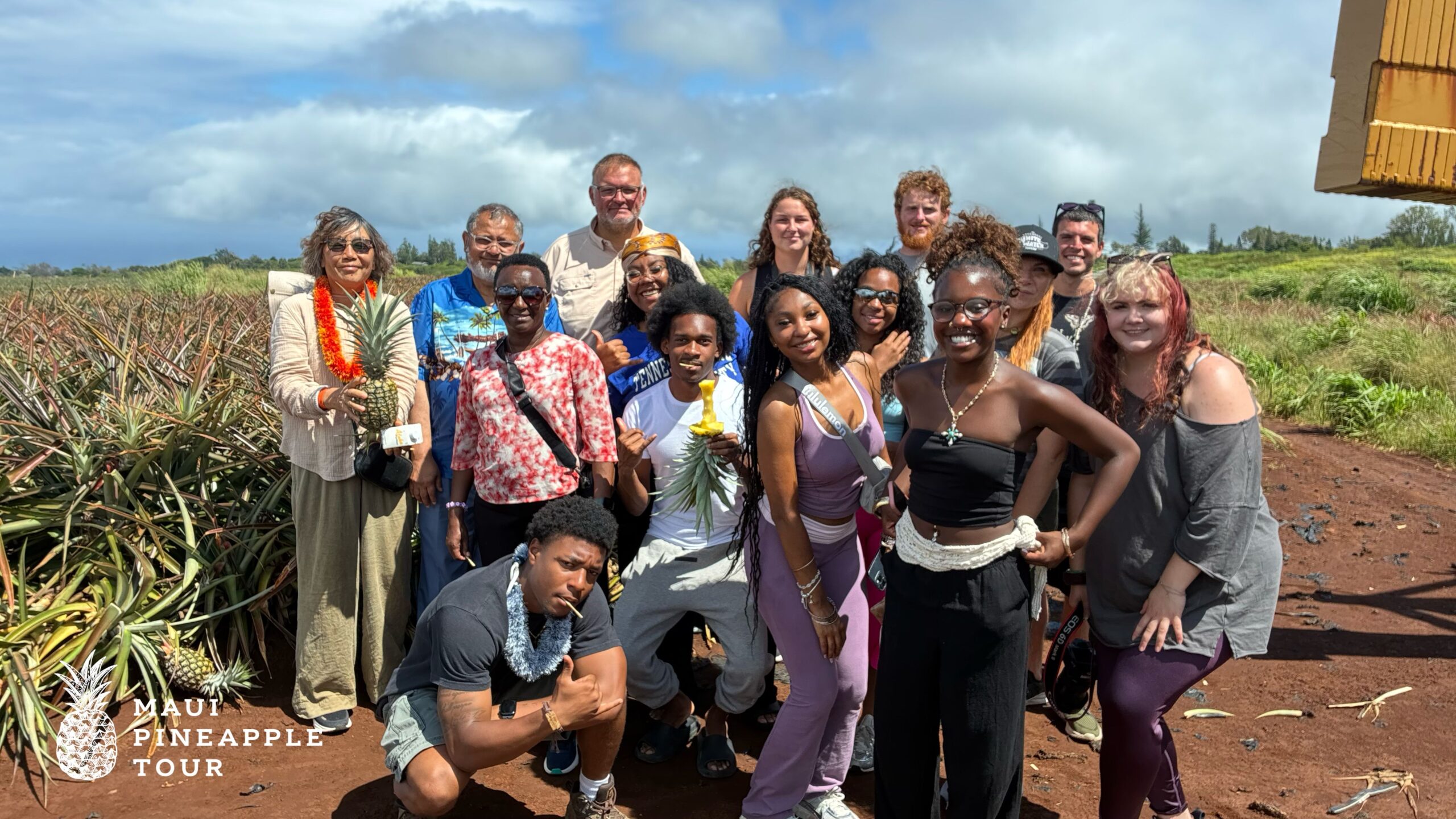
NASHVILLE, Tenn. (TSU News Service) – Ten Tennessee State University students in the Next Generation Consortium Biotech Summer Experience recently completed an intensive biotechnology, bioinformatics, and agricultural immersion in Hawaii. Led by Project Director and Principal Investigator Dr. John C. Ricketts, the program provided scholars with advanced scientific training, real-world field research, and career development.

The experience bridged virtual coursework and field application. Before traveling, scholars completed intensive bioinformatics training in R programming, biological data analysis, and genomic visualization. In Hawaii, students applied these skills during a “Genome on the Go” workshop at the University of Hawaii at Mānoa. Scholars mastered portable sequencing technology, including the BentoLab mobile laboratory and Oxford Nanopore Technologies MinION sequencer, performing DNA extraction, PCR amplification, gel electrophoresis, and species identification using NCBI BLAST.
“This experience represents exactly what NextGen was designed to accomplish, connecting classroom learning, cutting-edge science, faculty mentoring, career development, and authentic agricultural experiences,” said Ricketts, who is professor and Extension specialist in the College of Agriculture. “Our students arrived prepared to work alongside scientists, use technologies changing agricultural and biological research, and begin developing research questions they will continue investigating at TSU.”
Students emphasized how bridging technical skills with field applications expanded their academic and professional horizons.
“This experience showed me how we can take biotech out of traditional laboratories and put it directly into the hands of students,” said Katrina Seaman, a master’s student in agricultural business and leadership. “Learning to use the Bento Lab and Oxford Nanopore MinION gave me a clear vision for engaging high school and community college STEM students. We can make biotechnology truly accessible through hands-on learning, from DNA extraction all the way to sequencing.”
Fellow NextGen Scholar Christian White, a senior biotechnology major, agreed. “Connecting traditional agricultural practices with modern biotechnology gave me a whole new perspective on food systems,” White said. “Seeing how data science directly impacts crop sustainability in a place like Hawaii opened my eyes to career paths in agriculture I had never previously considered.”
TSU faculty mentors played a crucial role throughout the initiative by nominating scholars, guiding summer preparatory coursework, traveling alongside students, and mentoring them in research. Faculty members are collaborating with students throughout the fall semester to apply these newly acquired bioinformatics skills toward ongoing undergraduate research projects, ensuring sustained academic continuity.
Spanning Hawaii Island, Oʻahu, and Maui, the agricultural curriculum explored how climate, geography, culture, and market demand shape modern food systems. At Greenwell Farms on Hawaiʻi Island, students examined Kona coffee production from “seed to cup.” On Oʻahu, visits to Hawaii’s Plantation Village and Waimea Valley detailed agricultural history, Native Hawaiian ahupuaʻa resource management systems, and ethnobotanical collections.
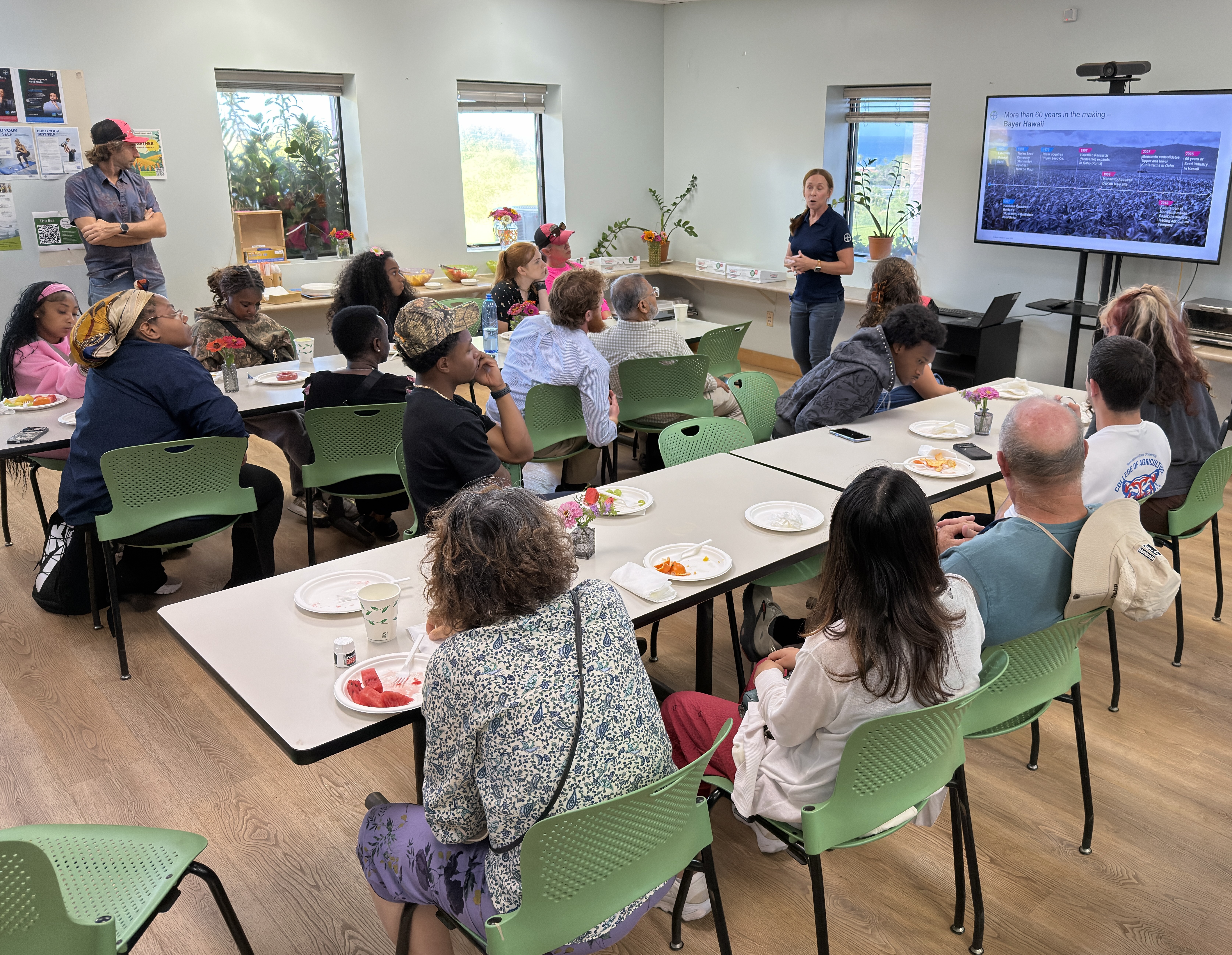
At Bayer Hawaii, scholars observed modern agricultural technology, including drones, irrigation sensors, and seed processing, alongside TSU alumni working at the facility. On Maui, visits to dragon fruit, pineapple, and chocolate estates highlighted tropical fruit production and value-added supply chains.
The initiative is part of a strategic partnership between TSU and the University of Hawaii at Mānoa through its Pacific-Continental Network of Biosecurity Professionals (PaCoN) project. The other participating TSU scholars were Joshua Realya, Lyra Jones, Makenzie Jones, Rochelle Hunt, Nylah Spivey, Carrie Caudle, Sarah Tyler, and Jeffrey Jackson.
This work is supported by the From Learning to Leading: Cultivating the Next Generation of Diverse Food and Agriculture Professionals (NextGen) Program, project award no. 2023-70508-40532, from the U.S. Department of Agriculture’s National Institute of Food and Agriculture.
Featured Photo: On their recent trip to Hawaii, 10 students, along with faculty mentors from the College of Agriculture, explored how climate, geography, culture, and market demand shape modern food systems. (Submitted photo)
About Tennessee State University
Founded in 1912, Tennessee State University is Nashville’s only public land-grant university offering 41 bachelor’s degrees, 15 graduate certificates, 27 master’s degrees, and nine doctoral degrees. TSU’s campus spans 500 acres. The university is committed to academic excellence, providing students with a quality education in a nurturing and innovative environment that prepares them as alumni to be global leaders. Visit tnstate.edu for more details.