NASHVILLE, Tenn. (TSU News Service) – Dr. Robbie Melton, vice president of SMART Technology Innovation at Tennessee State University, has been named one of The Top Women of Nashville for 2026 by Women We Admire. The prestigious network, which recognizes highly accomplished female executives and leaders across the United States and Canada, highlighted Melton’s extensive contributions to educational technology.

This accolade follows her recognition as a 2025 Leading Woman in AI. Beyond her campus leadership, having previously served as TSU’s provost and vice president of Academic Affairs, Melton shapes national tech policy as a founding member of the Center for Digital Education’s AI Council and a former member of the Southern Regional Education Board (SREB) Commission on Artificial Intelligence in Education.
TSU President Dwayne Tucker congratulated Dr. Melton, praising her lasting impact on both the university and the broader field of digital education.

“Dr. Robbie Melton’s recognition among Nashville’s top leaders is a well-deserved honor that reflects her incredible dedication to innovation,” Tucker said. “At Tennessee State University, we are proud to have a visionary like Dr. Melton who not only champions cutting-edge technology but ensures it serves as a tool for empowerment and accessibility for all students.”
As an educator who has dedicated her life to equity, Melton said being named among the city’s top female leaders is humbling and a reflection of the community that supports her. “To be recognized alongside such phenomenal women in Nashville is a profound honor,” Melton said. “Nashville is a city driven by creativity, growth, and community. Being named among its top leaders reinforces my commitment to ensuring our local community is not left behind in the rapid wave of technological advancement.”
She said her journey into educational technology was never about accolades. It was about helping students learn. “My plan was always centered on the possibilities and opportunities of technology,” Melton said. “Even before the internet, I knew that if technology was designed and used correctly, it could change the way we teach and how students learn.”
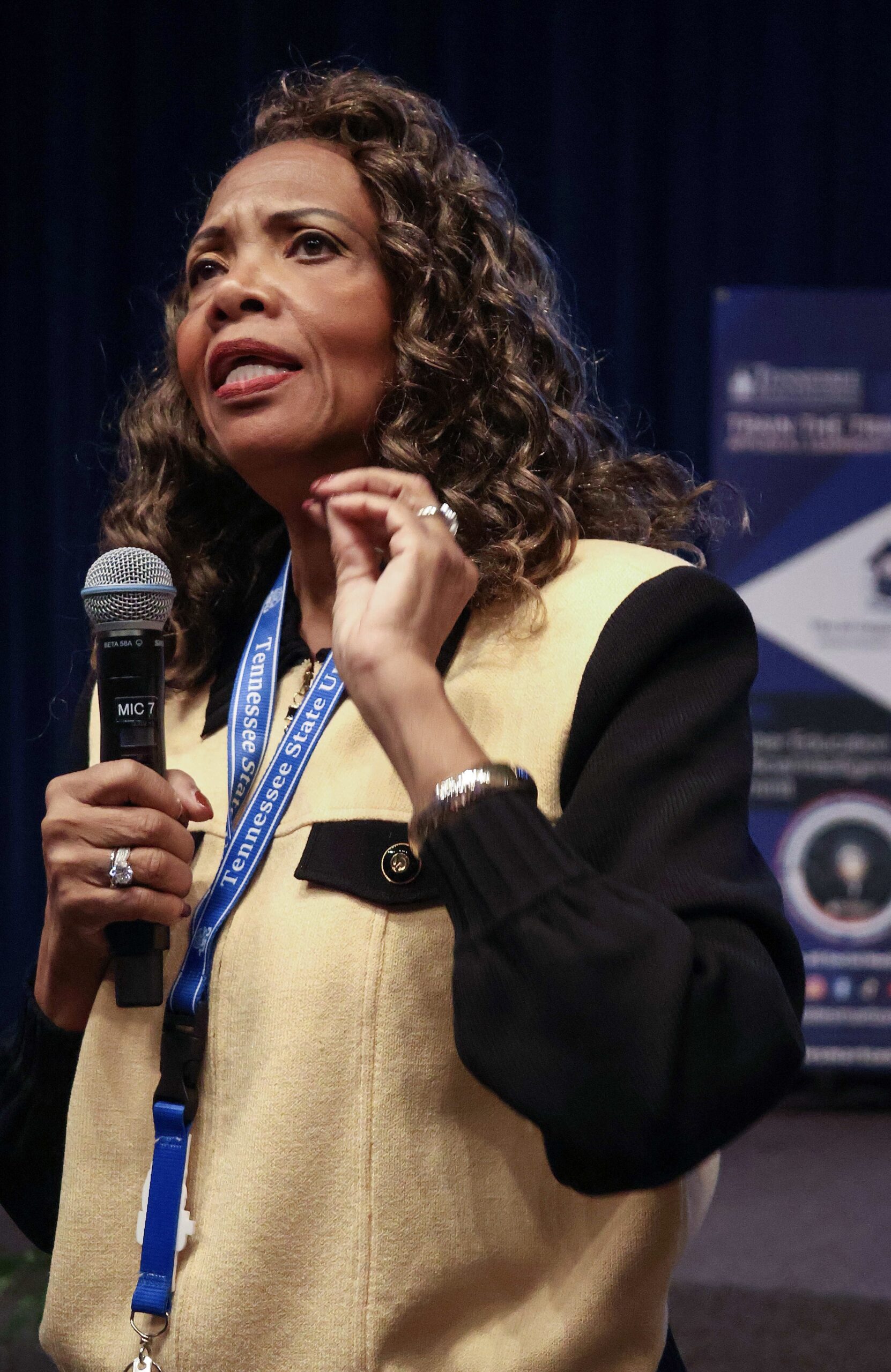
She said her foundational roots are in special education, with an early career focused entirely on discovering unique pathways to help children with disabilities succeed academically and gain the same opportunities as their peers. “I was always in pursuit of anything that would help children with disabilities learn,” she said.
As she witnessed the transformative power of education and technology, Melton’s commitment expanded beyond individual classrooms.
“We all breathe the same air. We’re all connected,” she said. “It doesn’t make sense to educate only certain groups and leave others behind. Whatever I found that could help someone learn to read, write, or improve their life, I wanted to make it available to everyone. That’s become my passion.”
While Melton frequently receives international calls from institutions seeking her expertise, she views her global recognition merely as a platform to deepen her local, community-level work. “You can’t always be a prophet in your own hometown,” she said with a laugh. “My goal now is to get out into communities, schools, churches, businesses, and even farms, helping people understand the power and potential of AI.”
Melton compares today’s AI revolution to the arrival of the internet decades ago, urging a focus on its educational benefits rather than just its dangers. Often working nights and weekends with global educators, she emphasizes the importance of helping individuals use these technologies responsibly; otherwise, the digital divide could lead to significant economic consequences.
Reflecting on her beginnings, Melton traces her passion back to her childhood in Detroit, where she served as a student classroom aide. Watching a struggling student finally learn to read and seeing that sense of empowerment come alive changed her forever. Today, Melton holds 11 certifications in special education and has deep expertise in areas including Braille, sign language, and instructional strategies for students with disabilities.
“Technology was never the destination,” she said. “It was always the tool. The mission has remained the same, from the classroom to the internet to artificial intelligence. It’s about helping people learn, empowering them, and ensuring that everyone has access to opportunities.”
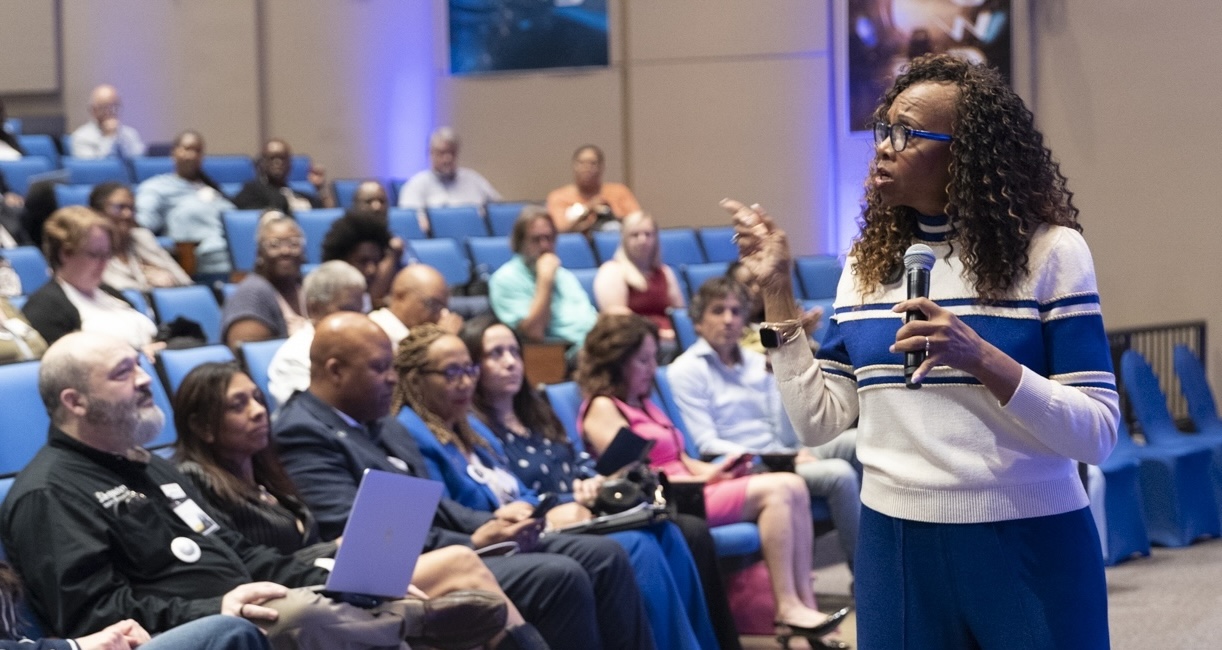
Featured Photo: Dr. Robbie Melton talks to participants earlier this year at the “Train-the-Trainer” Applied AI Leadership Summit that brought together more than 200 participants from over 50 HBCUs. (Photo by Aaron Grayson)
About Tennessee State University
Founded in 1912, Tennessee State University is Nashville’s only public land-grant university offering 41 bachelor’s degrees, 15 graduate certificates, 27 master’s degrees, and nine doctoral degrees. TSU’s campus spans 500 acres. The university is committed to academic excellence, providing students with a quality education in a nurturing and innovative environment that prepares them as alumni to be global leaders. Visit tnstate.edu for more details.