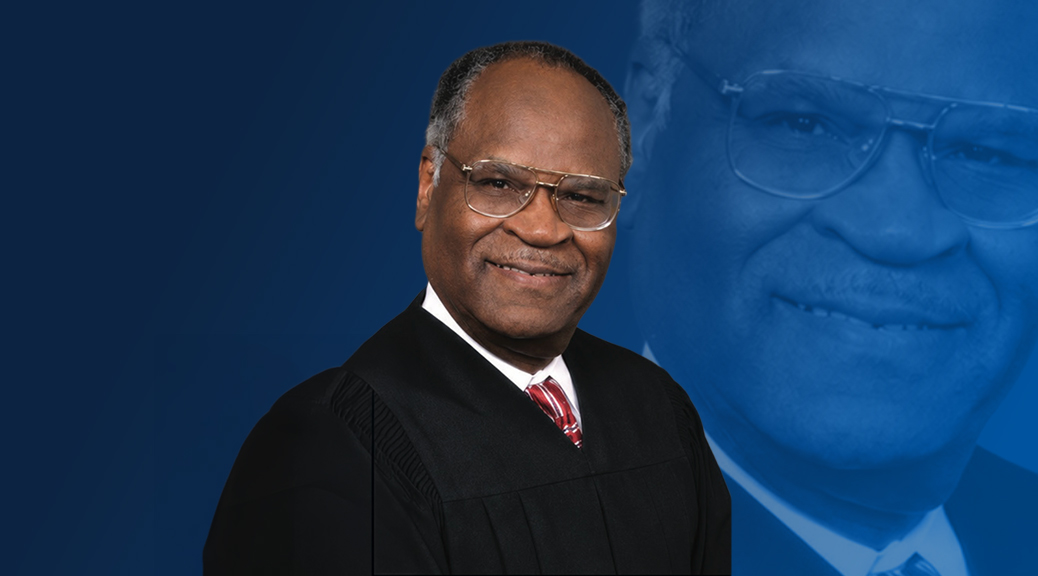
NASHVILLE, Tenn. (TSU News Service) – Senior United States District Judge Curtis L. Collier, a 1971 graduate of Tennessee State University, has been named the 2026 recipient of the Edward J. Devitt Distinguished Service to Justice Award, the highest honor bestowed upon a federal judge in the United States.
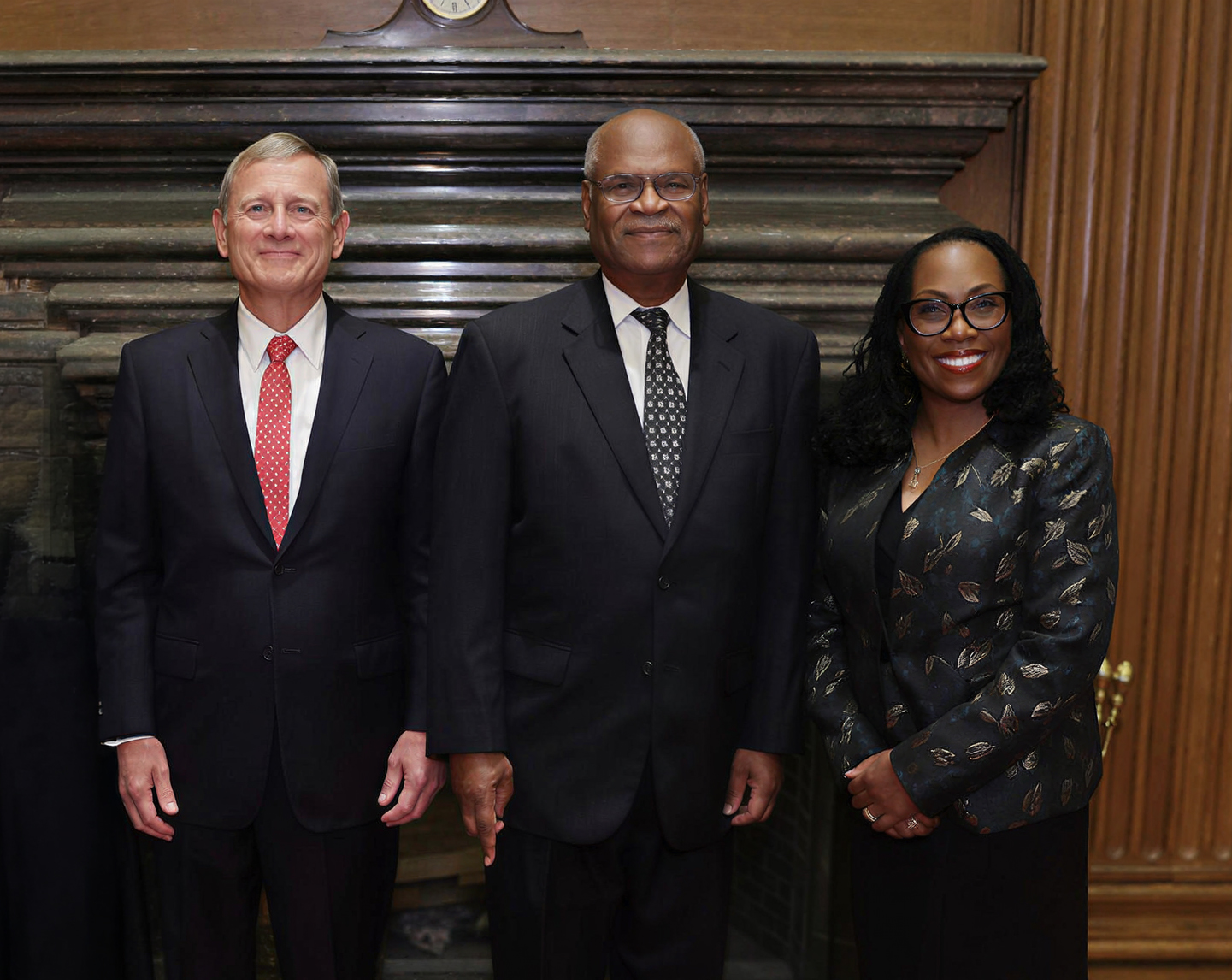
Presented annually by the Dwight D. Opperman Foundation, the award was conferred Oct. 29 during a ceremony at the Supreme Court of the United States, presided over by Chief Justice John Roberts. The honor recognizes a federal judge whose career has made exceptional contributions to the administration of justice, the advancement of the rule of law, and the improvement of society.
Chief Justice Roberts commended Judge Collier’s legacy during the ceremony. “Beyond your courtroom, you have worked tirelessly to improve and strengthen the federal judiciary,” Chief Justice Roberts said. “Your efforts to mentor future generations of judges and to promote civics education inside and outside the branch have improved public confidence in our federal courts and have strengthened the rule of law. I can think of no judge better suited to carry on Judge Devitt’s legacy.”

Justice Ketanji Brown Jackson, chairwoman of the Devitt Award Selection Committee, praised Judge Collier’s 31-year bench career. “You have made history as the first African American federal judge in the Eastern District of Tennessee and later became the first African American to serve as Chief Judge of the district,” Justice Jackson said.
A Marianna, Arkansas, native, Judge Collier earned his B.S. from TSU in 1971 and his J.D. from Duke University Law School in 1974. He served as a U.S. Air Force JAG Captain on active duty and later attained the rank of Lieutenant Colonel in the Air Force Reserve.
Before his judicial appointment, Judge Collier served as an Assistant U.S. Attorney in Louisiana and Tennessee from 1979 to 1995, prosecuting major white-collar and political corruption cases. Appointed to the federal bench in 1995, he served as Chief Judge from 2005 to 2012, presiding over major multi-district litigation, civil RICO cases, and Tennessee’s first federal death-penalty trial. Since taking senior status in 2014, he has spearheaded regional civics education initiatives and committee service for the federal judiciary.
TSU leadership joined the national legal community in celebrating Judge Collier’s historic achievement.
“Judge Curtis L. Collier exemplifies the pinnacle of leadership, integrity, and public service that Tennessee State University instills in its graduates,” said TSU President Dwayne Tucker. “His historic contributions to the federal judiciary and his steadfast dedication to advancing the rule of law inspire our entire university community. TSU is immensely proud to honor one of our most distinguished sons.”
Judge Collier’s connection to TSU remains steadfast. A former member of the TSU Foundation Board, he and his late wife, Cheryl, established the Judge Curtis and Cheryl Collier Leadership Recognition Scholarship. He is also documented as one of TSU’s most consistent donors, contributing for 30 consecutive years.
TSU Foundation Board member Valerie Love expressed pride on behalf of the university: “Our very own Judge Curtis Collier was honored last night with the Edward J. Devitt Distinguished Service to Justice Award…. The highest honor given to a Federal Judge!! What an honor!! TSU Proud! Foundation Board Proud!!! What an honor to have served alongside Judge Collier!! Big Blue Pride.”
Judge Collier was married to his late wife for 51 years. They share three children and three grandchildren.
About Tennessee State University
Founded in 1912, Tennessee State University is Nashville’s only public land-grant university offering 41 bachelor’s degrees, 15 graduate certificates, 27 master’s degrees, and nine doctoral degrees. TSU’s campus spans 500 acres. The university is committed to academic excellence, providing students with a quality education in a nurturing and innovative environment that prepares them as alumni to be global leaders. Visit tnstate.edu for more details.