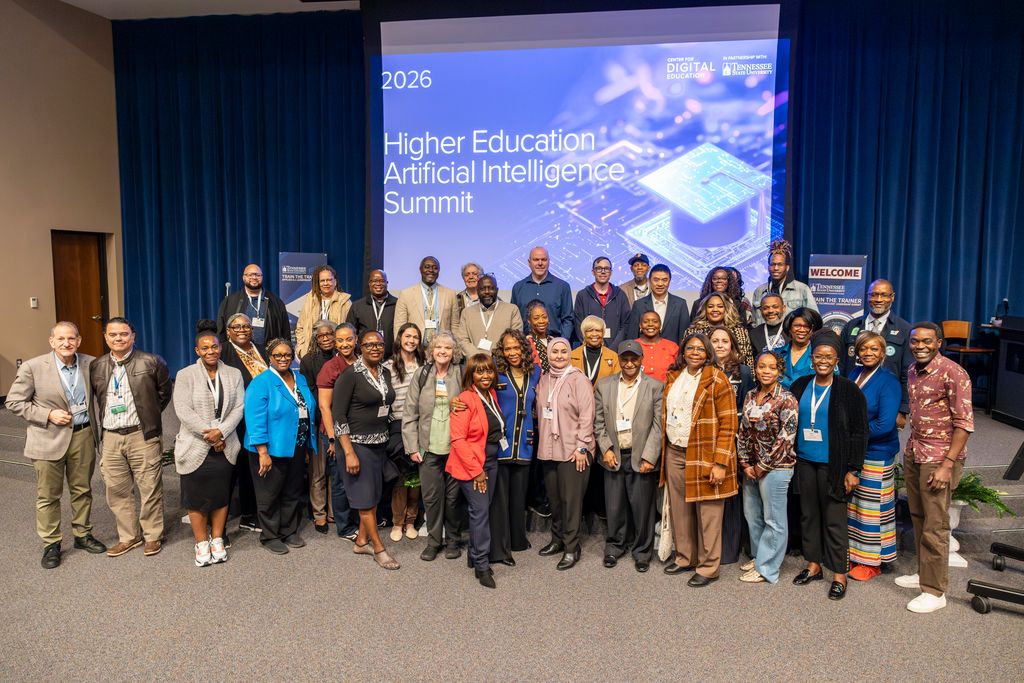
NASHVILLE, Tenn. (TSU News Service) — Tennessee State University is strengthening its position as a national leader in artificial intelligence, hosting a “Train-the-Trainer” Applied AI Leadership Summit that brought together more than 200 participants from over 50 Historically Black Colleges and Universities.
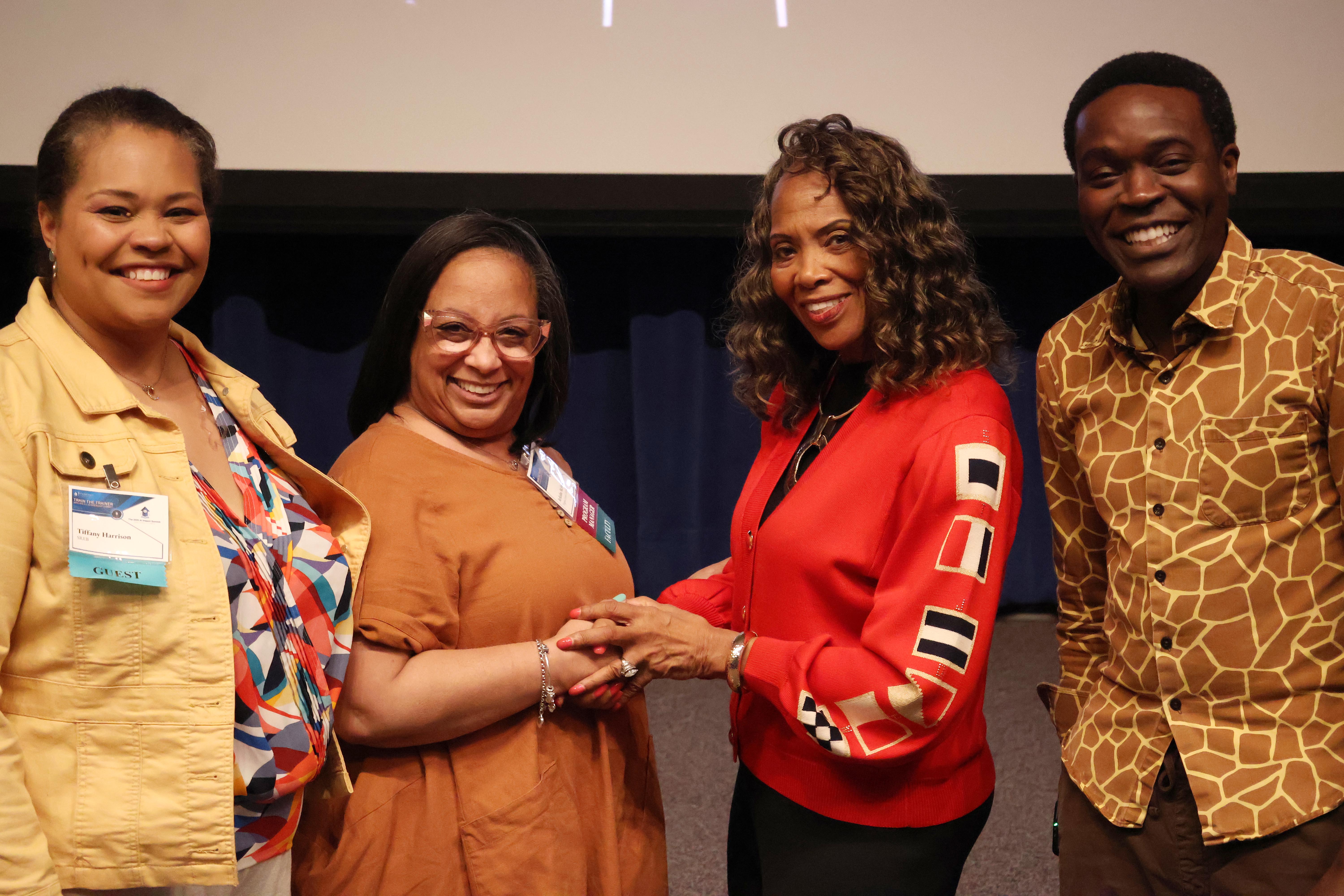
Held March 23–25, the summit focused on equipping faculty, administrators, and institutional leaders with the tools to implement AI strategies across their campuses. Designed to expand innovation and access, the initiative reflects a growing movement to ensure HBCUs remain at the forefront of emerging technology.
Hosted by TSU’s SMART Technology Center in partnership with the National Center for Digital Education, the summit builds on the university’s continued investment in research, workforce development, and digital transformation. Through hands-on sessions and collaborative discussions, participants explored practical applications of artificial intelligence in teaching, learning, and institutional leadership.
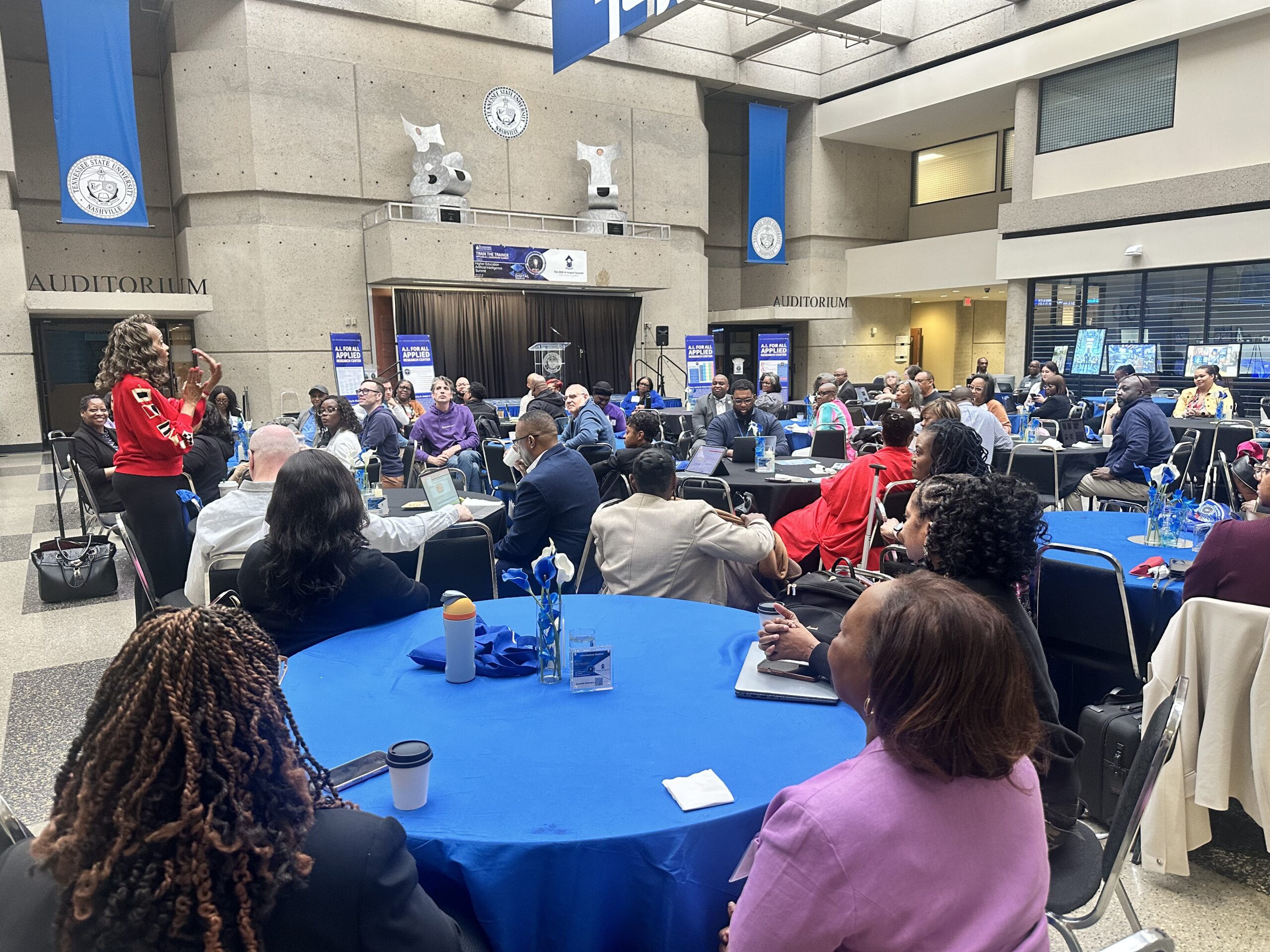
“At TSU’s SMART Center, we are proud to lead an ‘AI for All’ research model where innovation meets real-world impact,” said Dr. Robbie Melton, vice president for SMART AI initiatives and a global leader in the field. “We are training the trainers. With partnerships like Dell Technologies and Microsoft, we are advancing AI with a focus on ethics and security. Every leader here will leave equipped to bring AI literacy and policy development back to their campuses, scaling impact across institutions and communities.”
Beyond faculty and administrators, the summit also created opportunities for TSU students to engage directly with leaders in the field and explore how AI is shaping future careers.
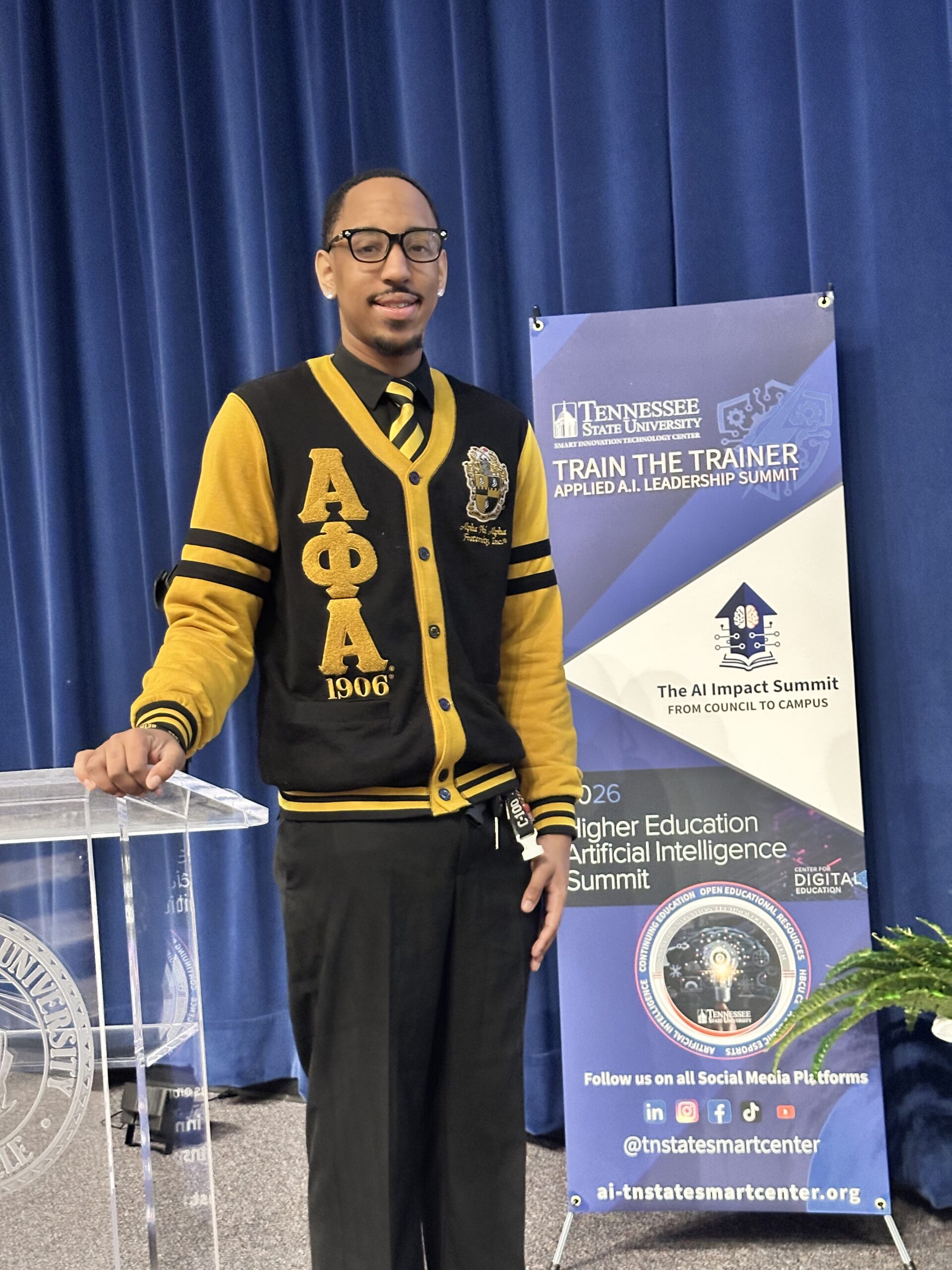
“This experience showed me that AI isn’t just the future, it’s something we can use right now,” said Bernard Nichols Jr., a graduate student in educational technology at TSU. “Coming from Tennessee State University, it’s powerful to see an HBCU leading in AI. It shifts perception, not just how others see TSU, but how we see ourselves as students at the forefront of innovation. Learning from national leaders right here is a game changer.”
The summit featured national and international experts who demonstrated how AI can support both instruction and strategy. Industry experts, including Sendsteps.ai CEO Mike Coumans, showcased practical applications of AI in the classroom. He demonstrated how real-time feedback tools can enhance engagement and support faculty instruction.
Sessions also explored how emerging technologies can create more adaptive learning environments, improve student engagement, and assist faculty in research and content development.
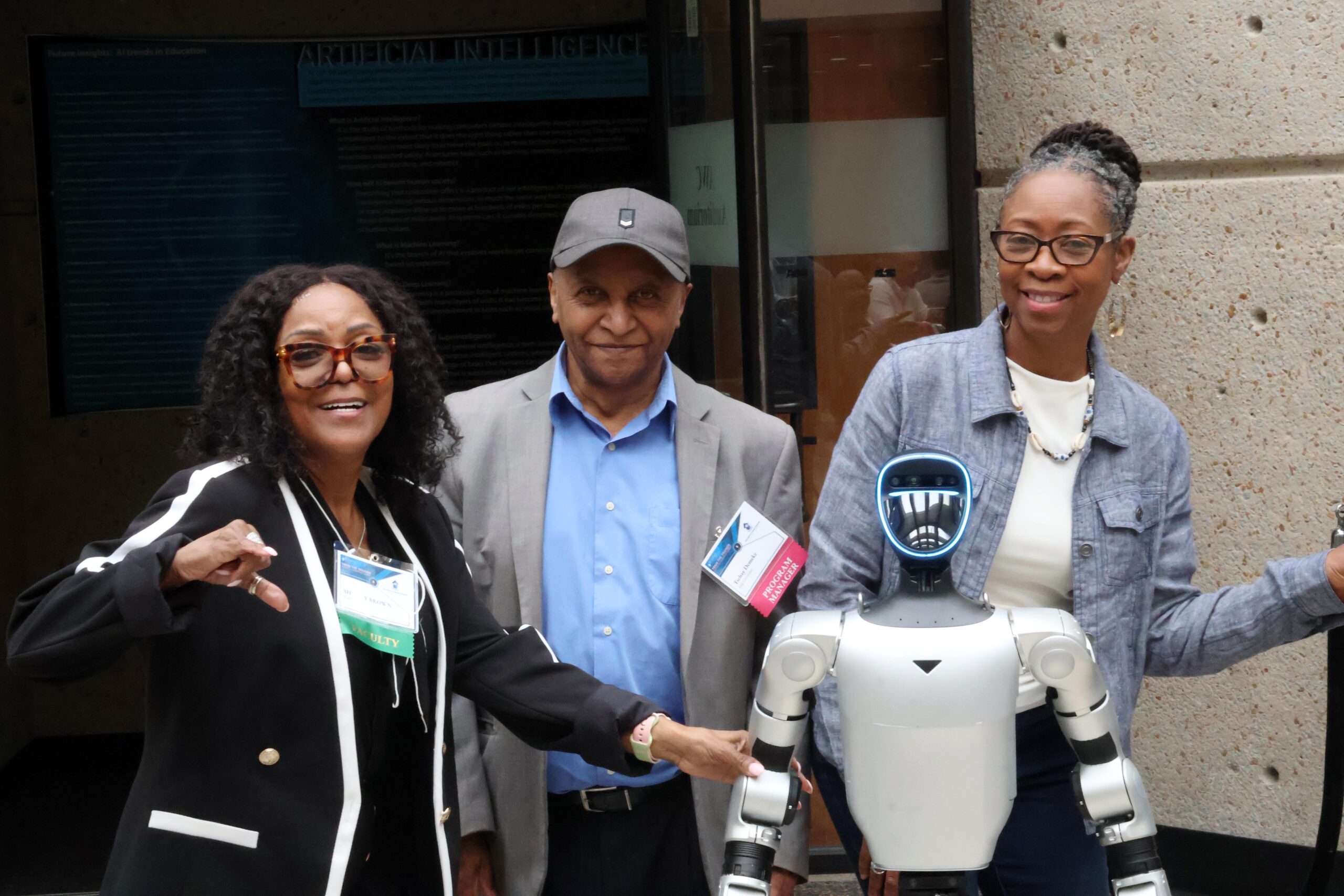
Dr. Kris Alexander, a professor at Toronto Metropolitan University and internationally recognized speaker, emphasized the role of AI as a tool to enhance, not replace the human element in education. “AI isn’t about replacing teachers; it’s about empowering them to connect, adapt, and inspire like never before,” Alexander said.
Bringing the conversation closer to research and academic work, Dr. William Johnson, a TSU professor and author of four AI books, highlighted how AI can support scholars.
“AI didn’t write my books, it refined them,” Johnson said. “Its real power is in helping authors bring clarity, structure, and strength to what they already know.”
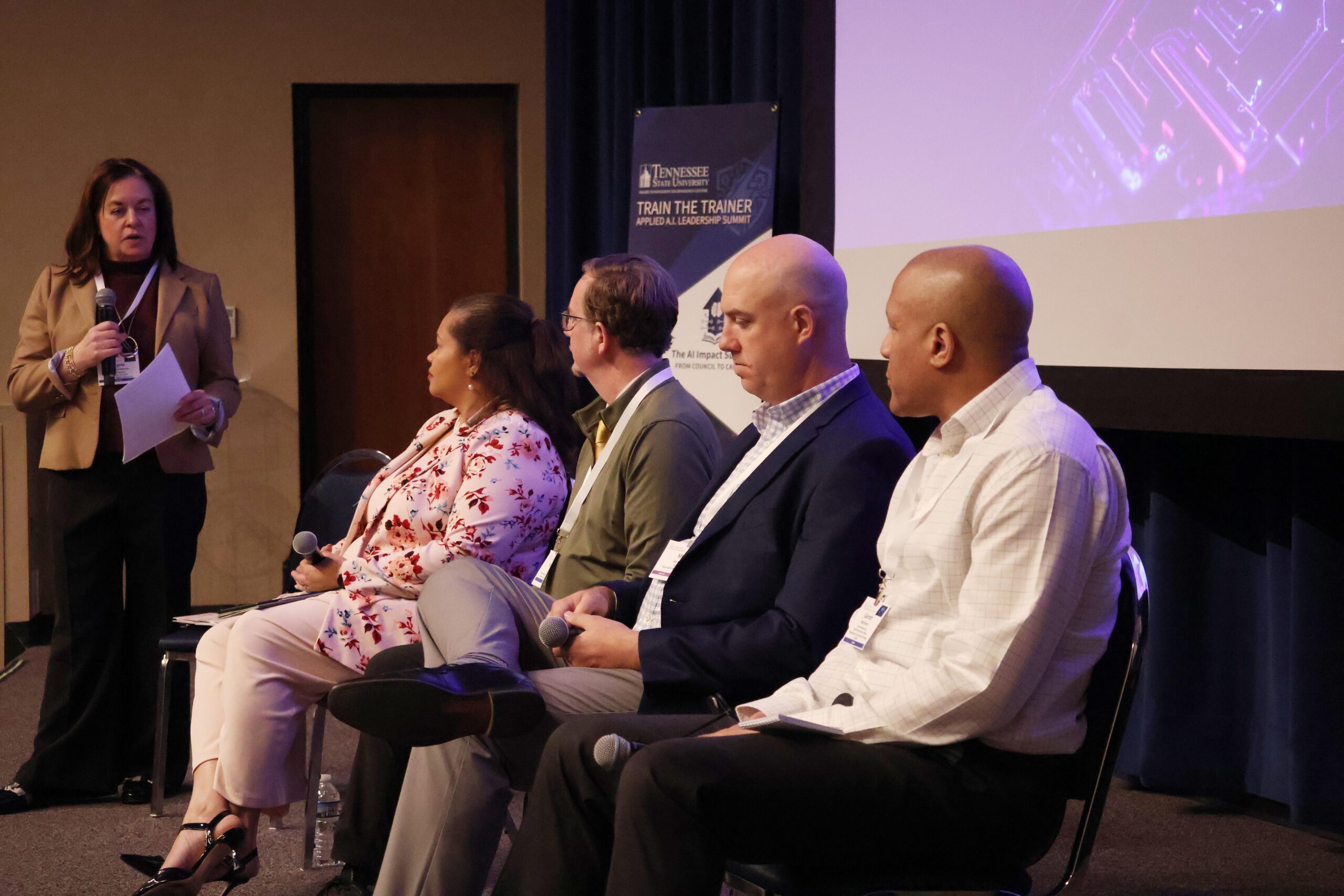
For many participants, the summit also underscored the importance of collaboration across institutions. Dr. Arletha McSwain, associate provost of Global Online Programs at Virginia Union University, said the experience provided valuable strategies that can be implemented immediately.
“Working with Robbie is always inspiring. She’s consistently ahead of the curve,” McSwain said, referring to Dr. Melton. “We value opportunities like this to bring back fresh, forward-thinking strategies to our faculty, staff, and administration.”
As the summit concluded, participants returned to their institutions equipped with new knowledge, tools, and strategies to implement AI on their campuses. Through initiatives like this, TSU continues to expand its role as a leader in innovation, helping position HBCUs to compete and lead in the rapidly evolving digital landscape.
For more information, visit the TSU SMART Immersive Technology Center.
About Tennessee State University
Founded in 1912, Tennessee State University is Nashville’s only public land-grant university offering 41 bachelor’s degrees, 15 graduate certificates, 27 master’s degrees, and nine doctoral degrees. TSU’s campus spans 500 acres. The university is committed to academic excellence, providing students with a quality education in a nurturing and innovative environment that prepares them as alumni to be global leaders. Visit tnstate.edu for more details.