By Charles Morrison
NASHVILLE, Tenn. (TSU News Service) – A team of researchers, including students from Tennessee State University, are diving deep into the historical and geological mysteries of Fort Negley, a Civil War site located just south of downtown Nashville. This unique investigation aims to uncover the circumstances surrounding the many deaths at the fort, focusing on the potential impacts of contaminated drinking water during the Civil War.
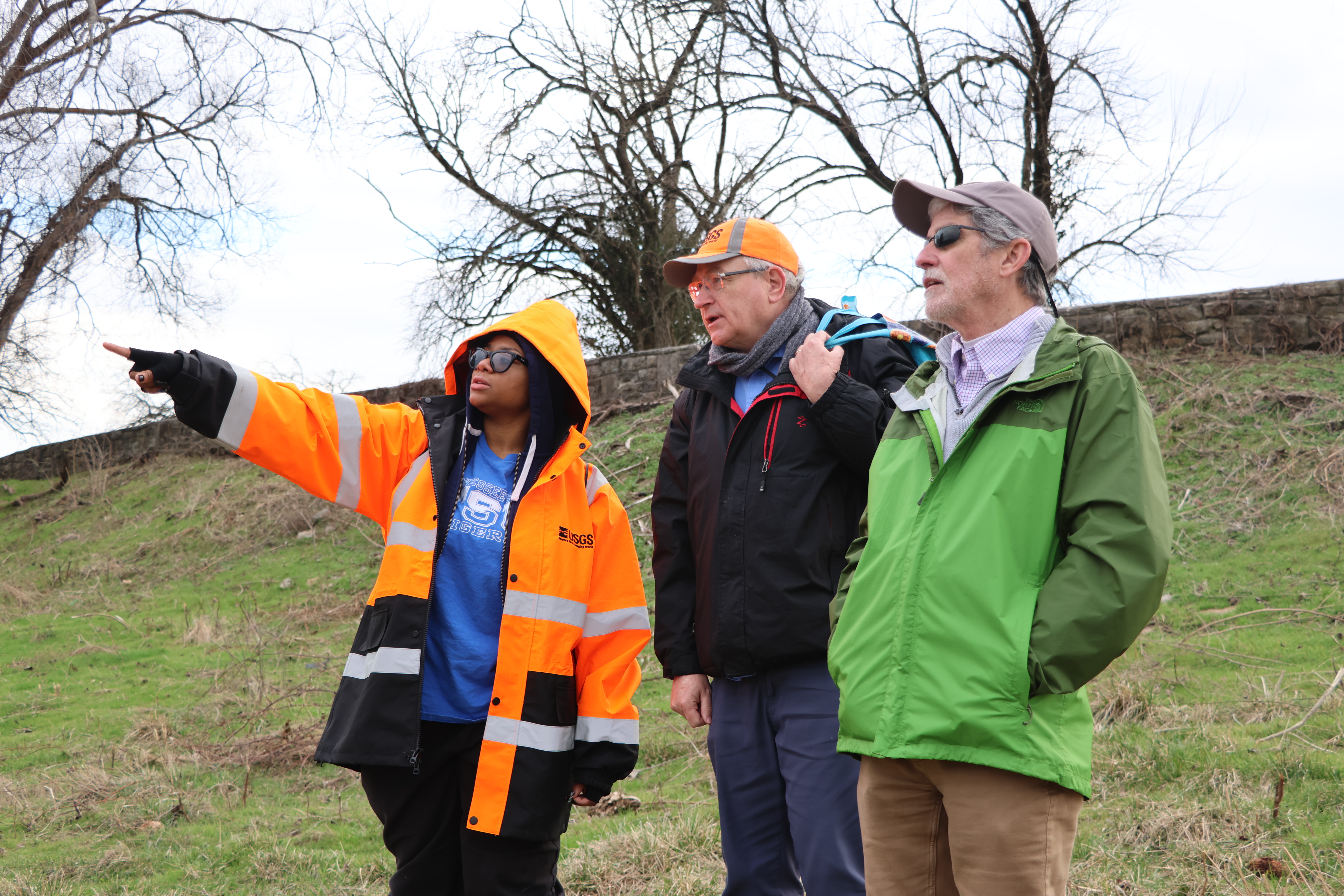
Dr. Thomas Byl, a hydrogeologist at TSU, leads the project, which brings together TSU’s College of Agriculture students, historians, and scientists from institutions including Vanderbilt University and the United States Geological Survey. “The people who were getting sick and dying didn’t have power or status,” noted Byl. “That meant no one really asked why it was happening. The story just faded. Today, we’re working to change that using science.”
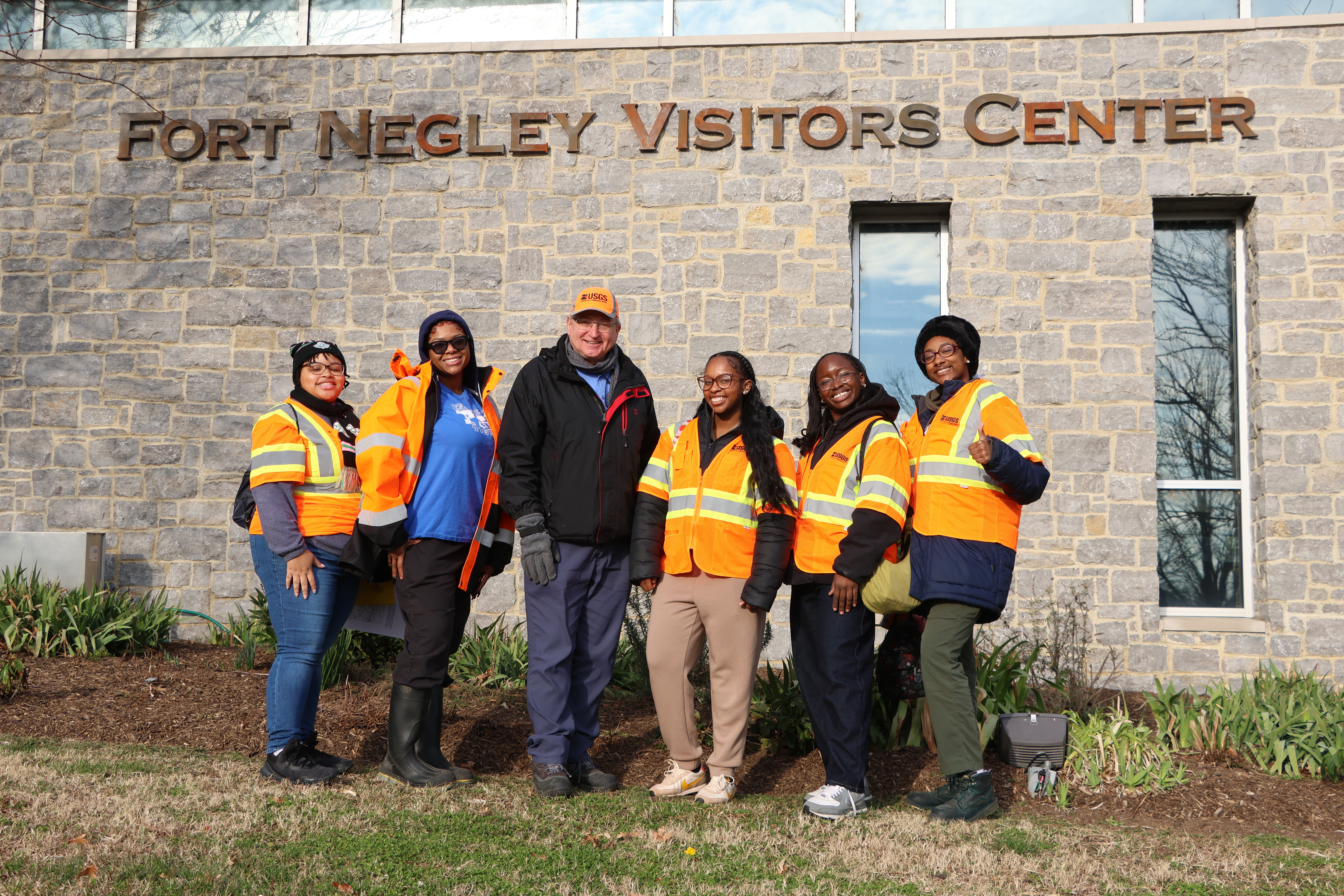
TSU students engaged in the project are taking part in hands-on fieldwork that blends science with historical inquiry. As part of their involvement, the students conducted GPS mapping of potential groundwater areas and will assist in advanced dye-tracing studies aimed at determining the flow of water and possible disease transmission paths from contaminated sites.
“I didn’t realize how significant this place actually was,” said Alyx Cotten, a senior environmental science major. “It’s enlightening and empowering to be part of this project and share this experience. We are culturally connected to our history, and this study shows that connection.”
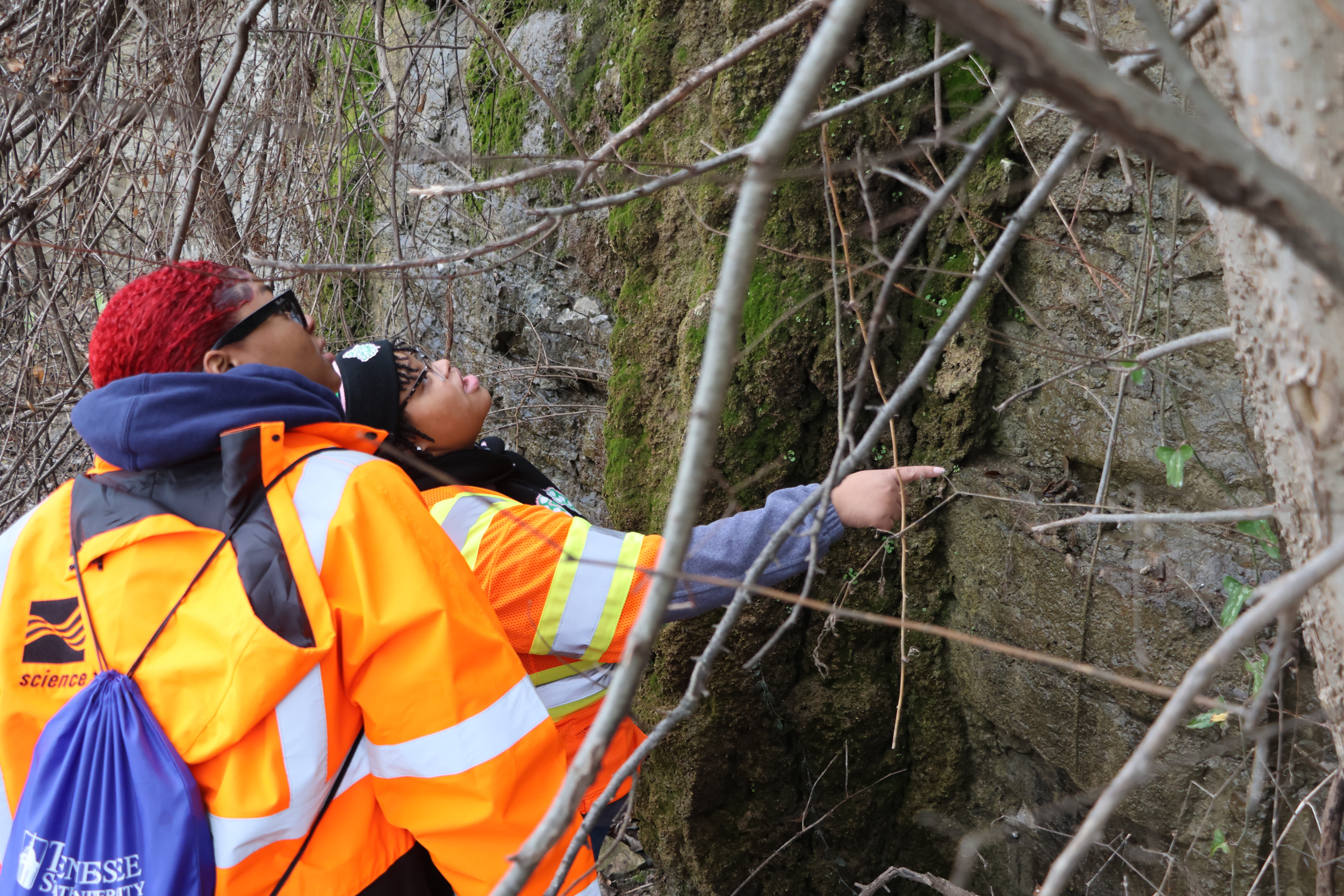
The students’ work is not just about collecting data; it’s about immersing them in the realities of scientific investigation. According to master’s student Autumn Joyner, “There’s so much that people in the field might not get to experience. That’s why it’s important to have scientific outreach and communication, a chance to put pieces of history together.”
Byl emphasizes the human aspects of the endeavor, stating, “This isn’t just about rocks and water. It’s about people. It’s about stories that were never told.” Through this project, students are discovering how scientific research can reshape our understanding of history.
The Fort Negley Project also sparks broader conversations surrounding environmental justice and historical memory, as findings may reveal the environmental risks faced by local neighborhoods, particularly the historic Bass Street community, which could have been similarly affected.
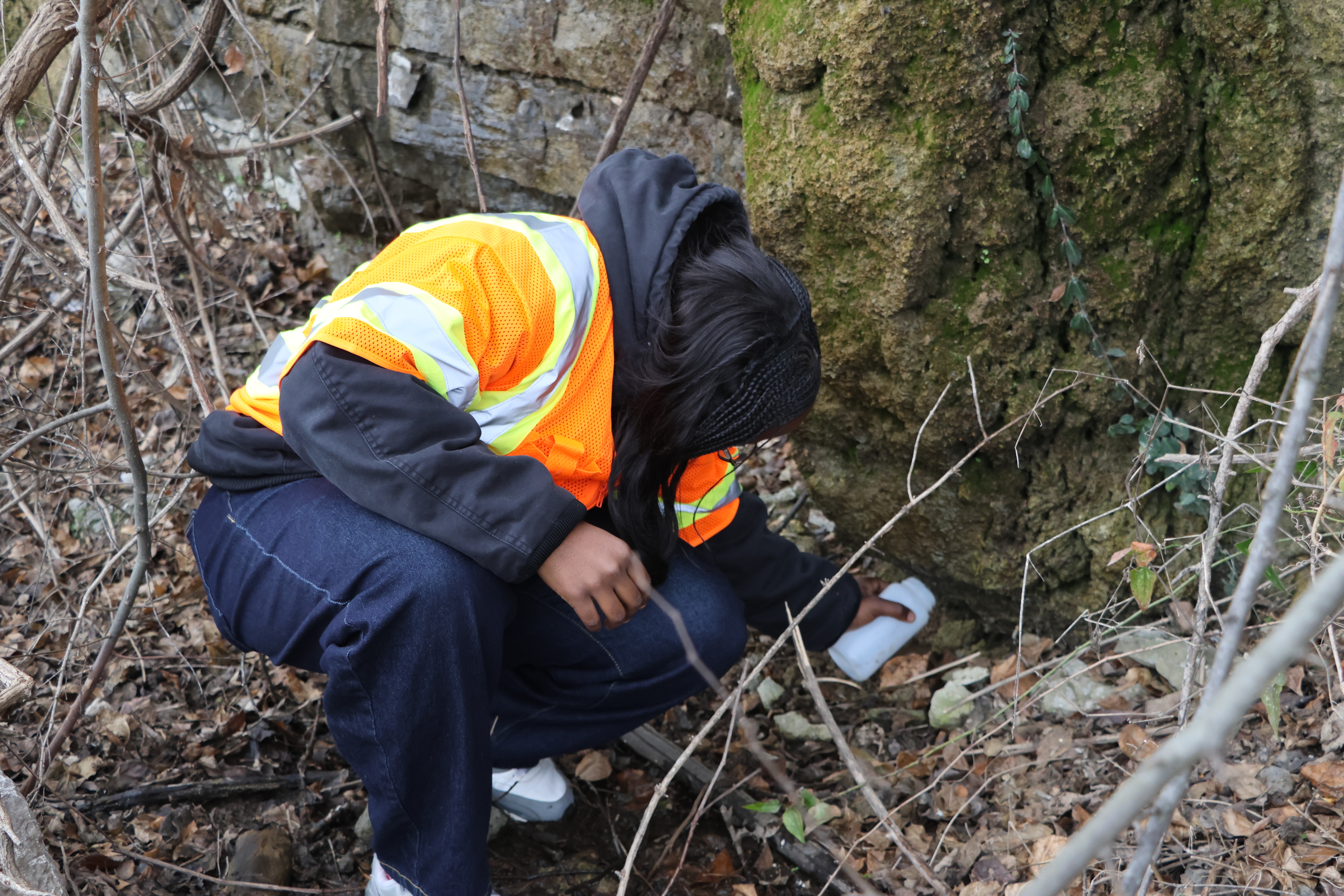
As data collection and analysis continue in the months ahead, TSU students are not only gaining invaluable professional experience; they are also contributing significantly to research that aims to restore a silenced history.
“The work we are doing here is about bringing light to the past,” Byl said. “We’re using modern tools to answer old questions. In doing so, we’re giving voice to those whose experiences were historically overlooked.”
For more information about the project or TSU’s College of Agriculture, visit www.tnstate.edu/agriculture/.
Featured Photo: Dr. Thomas Byl, Professor of Environmental Science, leads a group of students from the TSU College of Agriculture in a research project at Fort Negley, located just south of downtown Nashville. (Photo by Charles Morrison)
About Tennessee State University
Founded in 1912, Tennessee State University is Nashville’s only public land-grant university offering 41 bachelor’s degrees, 15 graduate certificates, 27 master’s degrees, and nine doctoral degrees. TSU’s campus spans 500 acres. The university is committed to academic excellence, providing students with a quality education in a nurturing and innovative environment that prepares them as alumni to be global leaders. Visit tnstate.edu for more details.